
A busy Saturday service tells you very quickly where money is being lost. The kitchen might be holding, but the floor is under pressure, the team is short, guests hesitate over the wine list, and nobody at the table is being guided towards a better bottle, a second glass, or a pairing that lifts the whole meal. That is where sommelier talent stops being a luxury and starts becoming a commercial tool.
Too many operators still treat sommeliers as a fine-dining extra. That's outdated thinking. In a boutique hotel in Devon, a premium pub in Bristol, a wedding venue in Berkshire, or a private yacht programme, the right wine professional can sharpen service, steady standards, and give guests a reason to spend more with confidence. They also remove pressure from general managers and head chefs who are already stretched across rotas, supplier problems, short notice sickness, and wider staffing gaps.
That matters even more in a tight labour market. UK employers have been hiring against sustained hospitality pressure, and the Office for National Statistics recorded 2.7 million vacancies across the UK in May to July 2022, the highest level since records began in 2001, according to this UK hospitality labour market context for sommelier hiring. If you're trying to recruit specialist front-of-house talent in that environment, you need a sharper plan than posting a generic advert and hoping.
That's why understanding the different jobs for sommeliers matters. You don't always need a permanent full-time sommelier. Sometimes you need event cover. Sometimes you need a senior beverage lead. Sometimes you need someone who can train the team for a season, fix the list, and leave the site stronger than they found it.
1. Restaurant Sommelier
This is the classic role, and when it's done well, it pays for itself through better decisions on the floor. A strong restaurant sommelier doesn't just recommend bottles. They shape the list, protect margin, control the cellar, train waiting staff, and stop guests feeling intimidated by wine service.
In fine dining and upscale restaurants, that matters every night. A guest who feels comfortable ordering from a list is far more likely to trade up than one who's left alone with pages of regions and producers they don't recognise. In practice, that means a sommelier can help a tasting-menu restaurant in Windsor sell pairings with confidence, or help an ambitious independent in Reading make a shorter list work much harder.
The role has become more professionalised over time. The Wine & Spirit Education Trust was founded in 1969, and its qualifications became a recognised benchmark that many employers use when assessing wine knowledge, as outlined in this overview of sommelier careers and professional standards.
What employers should expect
A proper restaurant sommelier should handle more than table-side service:
- List design: Build a wine list guests can readily explore, not just admire.
- Cellar discipline: Rotate stock, flag dead lines, and prevent cash from sitting untouched on shelves.
- Staff coaching: Give servers a few sellable talking points for each section, not lectures.
- Supplier management: Spot where the venue is overbuying, duplicating styles, or missing entry points.
Practical rule: If your sommelier can talk brilliantly about wine but can't help your team sell it, you've hired a wine enthusiast, not a commercial operator.
For employers hiring into these roles, a trial shift or practical list review tells you more than a polished CV. Ask how they'd rework your current list, what they'd train into the team first, and how they'd handle a guest who wants guidance without pressure. That separates floor operators from exam collectors.
For candidates building towards this route, hospitality roles across the sector are still the best training ground. The best restaurant sommeliers understand service flow as well as wine.
2. Wine Director / Beverage Manager
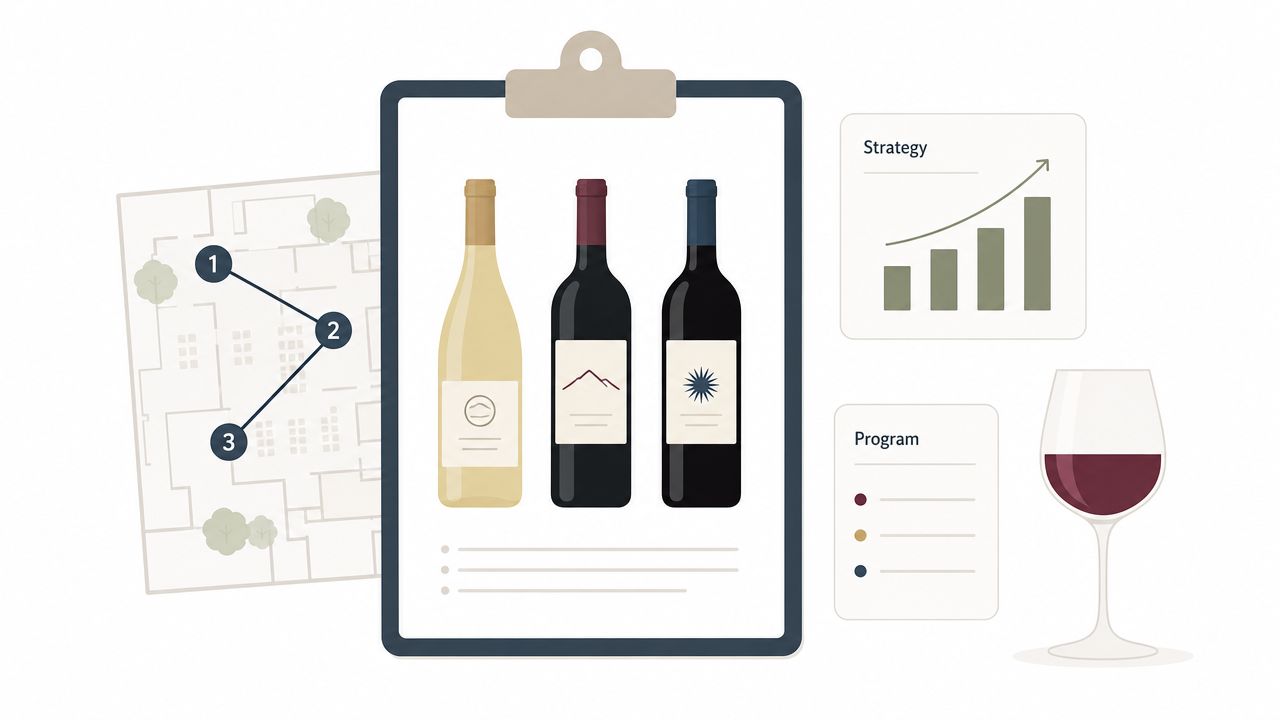
A restaurant sommelier improves one floor. A wine director or beverage manager improves an entire operation. This role suits hotel groups, multi-site operators, private member venues, and larger independents where beverage standards vary too much from site to site.
If one site in Bristol is selling well, another in Slough is overstocked, and a third in Dorset has no consistent staff training, a senior beverage lead gives you structure. They set purchasing rules, list architecture, supplier relationships, pricing logic, and staff education across the business.
Where this role solves real problems
This isn't just a wine role. It's a control role.
A beverage manager often becomes the person who fixes the following:
- Fragmented buying: Different managers ordering similar products at inconsistent prices.
- Weak team confidence: Floor staff defaulting to “house white or house red” because they haven't been trained properly.
- Poor stock discipline: Capital tied up in bottles nobody is actively selling.
- Mixed standards: One venue offering sharp service while another looks underprepared.
That's why many operators should think broader than “sommelier”. Existing job content in the market shows sommelier-adjacent roles stretching into beverage manager, wine steward, sales, and event support, not only traditional restaurant-floor posts, as reflected in these sommelier-adjacent job categories.
A good beverage manager also needs to understand the full back bar. If your venue sells cocktails, premium beers, and after-dinner drinks, this role should align the whole offer, not ringfence wine. For teams shaping broader beverage recruitment, it helps to review how bar roles are structured in a practical barman job description.
One of the quickest signs that a group needs this hire is when every venue has stock, but nobody can explain why those bottles are there.
3. Hotel Sommelier / Concierge Sommelier
Hotels get more value from sommelier talent than many operators realise. In a standalone restaurant, the role centres on service and list performance. In a hotel, the same person can touch private dining, room service, events, guest retention, VIP amenities, and staff development across several departments.
That matters in luxury and boutique settings where guests expect joined-up service. A returning couple staying in Berkshire might want a bottle in the room on arrival, a smart recommendation with dinner, and a polished wine option for a private celebration the next day. If the hotel handles all of that smoothly, the guest remembers the stay as perfectly coordinated.
Why hotels should use the role differently
The mistake some hotels make is copying the fine-dining model too exactly. A hotel sommelier needs a wider skill set. They should be comfortable with:
- In-room wine service: Fast, discreet, polished delivery.
- Private dining support: Pairing wines for small celebrations and corporate hosting.
- Cross-department coordination: Working with concierge, reception, events, and F&B.
- Guest memory: Logging preferences and helping repeat guests feel recognised.
This role works particularly well in country house hotels, luxury coastal properties, and city hotels with a strong food-led identity. In Devon or Wales, for example, a hotel might use a sommelier to support destination dining weekends. In London commuter markets like Reading or Windsor, the same role can support weddings, business stays, and premium short breaks.
The commercial upside is usually strongest when the sommelier isn't isolated in one restaurant. If they're only visible during dinner service, you're underusing them. If they're involved in welcome experiences, events planning, mini-bar strategy, and team coaching, they become part of the hotel's value proposition.
The best hotel operators also use this role seasonally. You may not need a permanent senior wine specialist all year round, but you may absolutely need one during wedding peaks, Christmas trading, racing events, or summer leisure demand.
4. Yacht Club / Private Yacht Sommelier
This is a niche role, but it's a serious one. Private yacht and yacht club service demands precision, discretion, and adaptability. Guests expect high standards in limited space, with changing itineraries, varied provisioning conditions, and no patience for basic mistakes.
For yacht management companies and private households, a sommelier in this setting does far more than open premium bottles. They manage onboard inventory, maintain service standards in motion, coordinate provisioning before embarkation, and adapt service to informal lunches, anchor-side dinners, or larger hosted occasions.

What makes this role different
A restaurant sommelier can rely on a cellar, regular suppliers, and a stable service environment. A yacht sommelier can't.
They need to think about:
- Storage reality: Heat, movement, and limited onboard space change how stock should be held and rotated.
- Provisioning windows: If something is missing, replacement might not be simple.
- Guest privacy: Service has to be polished without becoming visible or intrusive.
- Multi-role pressure: On some programmes, the sommelier may also support hosting, events, or broader guest service.
Specialist staffing is essential. Yacht roles often require hospitality people who can move cleanly between luxury service standards and practical constraints. That applies to chefs as much as sommeliers. Relief Chefs UK already supports yacht chefs and wider hospitality staffing for private settings where reliability matters more than flashy CVs.
For employers, the wrong hire is expensive in these environments. You need someone calm, organised, and operationally mature. Deep wine knowledge is important, but on a yacht, professionalism and discretion matter just as much.
5. Wine Educator / Wine School Instructor
A busy Saturday service exposes weak wine training fast. Staff hesitate at the table, default to the house pour, and miss easy upsell moments because nobody has shown them how to sell the list in plain language.
That is the commercial case for a wine educator. For employers, this role solves a different problem from a floor sommelier. Instead of relying on one strong individual to carry wine sales, you build a wider team that can recommend confidently, handle basic objections, and move guests into better-margin choices. For hotel groups, premium pubs, restaurant groups, and event operators, that can be a smarter use of budget than adding another permanent salary.
A good educator brings structure to an area many venues handle informally. They turn product knowledge into sales behaviour. The best ones train against your actual list, your menu, and your service style, not a generic classroom script.
When an educator is the better hire
This role makes sense when the business needs capability across the team rather than another specialist on the rota.
It works well when:
- The list is better than the team's confidence: Staff can describe dishes well but struggle to guide guests on wine.
- Recruitment is uneven: New starters join with mixed experience, so standards drift between shifts.
- Managers want consistent service language: Teams need clear recommendations, simple pairing cues, and correct pronunciation.
- Peak trading periods are close: Christmas parties, terrace season, weddings, and event runs expose weak drinks knowledge quickly.
The return is practical. Better training usually means fewer awkward table interactions, stronger by-the-glass sales, and less dependence on one manager or senior waiter to answer every wine question.
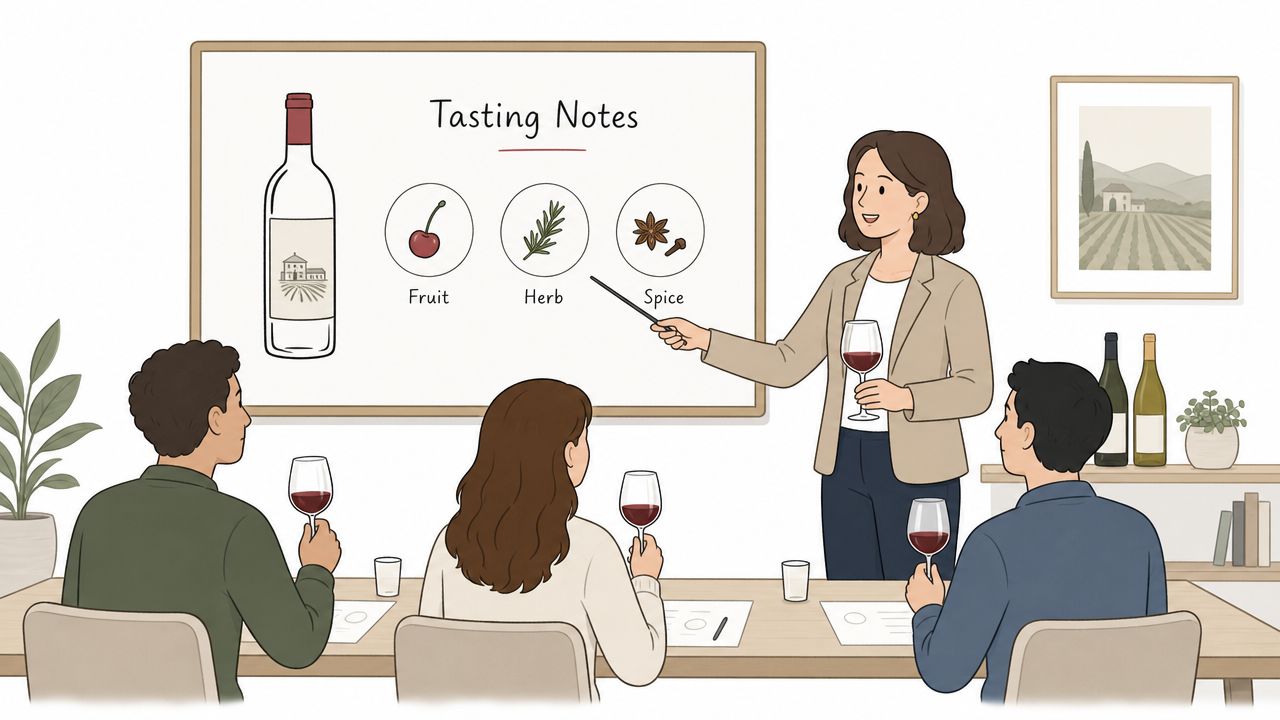
A useful educator does more than run a tasting. They build short notes the team will use in service, bottle highlights, food-match prompts, and selling lines that work on a busy floor. That matters because theory on its own does not change covers into revenue.
This kind of training is easier to apply when it's visible. A short class format often works best for mixed-experience teams:
The trade-off is straightforward. A wine educator will not replace a full-time sommelier in a venue where daily cellar control, list development, and table-side selling are central to the offer. But for many operators, especially those watching labour costs closely, periodic training delivers more usable value than hiring a permanent specialist too early.
Relief Chefs UK helps employers bring in that kind of talent flexibly. If the goal is sharper service, better wine sales, and a team that sounds confident with guests, an experienced educator can fix the gap without adding long-term overhead.
6. Gastropub / Casual Dining Sommelier
This is one of the most underrated jobs for sommeliers in the UK. A gastropub or casual dining sommelier can deliver strong commercial value because the role removes friction for guests who want better wine but don't want a formal experience.
That's especially useful in modern pubs, neighbourhood restaurants, and food-led inns across places like Devon, Bristol, Dorset, and Wales. These venues often have ambitious food but a beverage offer that hasn't kept up. The list may be acceptable, but nobody owns it properly, so guests default to the safest option.
Why this role works in relaxed venues
In a gastropub, the sommelier shouldn't behave like they're on the floor of a grand hotel. The best ones are approachable, quick, and good at reading the room.
They help by:
- Keeping recommendations simple: “If you like this style, try this” works better than a speech.
- Making by-the-glass stronger: Guests in casual settings often commit by the glass before they move to a bottle.
- Supporting premium pub food: Steak nights, seafood specials, Sunday lunch, and tasting events all sell better with a smart drinks lead.
- Giving the team confidence: Pub teams often need practical scripts, not textbook theory.
A good casual-dining sommelier makes wine feel easy. That's usually what drives sales.
This role also suits operators who don't want the overhead of a permanent fine-dining hire. A part-time sommelier, weekend specialist, or consultant who resets the list and trains the floor can make more sense than a full-time salary.
The biggest mistake here is overcomplicating the list. Casual venues win when the offer is easy to browse, has clear style cues, and gives guests good options across familiar spending patterns. If your guests need staff help just to decode the list, the list is the problem.
7. Wine Buyer / Sourcing Specialist
Not every sommelier-facing role belongs on the restaurant floor. Some of the most valuable hires sit behind the scenes and protect margin before service even starts. A wine buyer or sourcing specialist focuses on procurement, supplier negotiation, list balance, stock movement, and commercial discipline.
This role is particularly useful for hotel groups, pub groups, and independent operators with enough volume to justify structured buying. It's also a smart move when the business has grown beyond the owner or GM making ad hoc purchasing decisions.
What a good buyer changes
The difference is usually visible within the stockroom before it is visible on the floor.
A proper sourcing specialist will challenge:
- Duplicate wines: Three similar bottles at similar prices, all competing with each other.
- Slow-moving prestige stock: Capital sitting in labels that look good but rarely sell.
- Poor supplier mix: Too many accounts, too little influence, weak continuity.
- Reactive ordering: Buying based on gaps and panic instead of a plan.
This role has become more relevant because sommelier hiring sits inside a wider hospitality labour market rather than a deep standalone talent pool. The practical implication for employers is that they often need people who can bridge service knowledge and commercial buying, as noted in this discussion of wine industry job opportunities and labour-market context.
A strong wine buyer also works well alongside chefs. If the kitchen is changing menus constantly, the buying function has to keep pace without overcommitting stock. That's why the best operators line up the head chef, GM, and buyer early, rather than leaving wine decisions until print deadline for a new menu.
8. Event / Wedding Sommelier
Events expose every weakness in a beverage programme. A wedding with poor wine service feels disjointed. A corporate dinner with the wrong pacing loses momentum. A private celebration with no one coordinating pairings, stocking levels, and staff briefing quickly slips into expensive guesswork.
That's where an event or wedding sommelier earns their place. This role sits between operations, kitchen, and front of house. They help decide what should be poured, how it should be served, who needs briefing, and where money is being made or wasted.
Where venues get real value
For country house hotels, marquee operators, private estates, and event-led venues, this hire can be the difference between a smooth premium event and a muddled one.
Useful responsibilities include:
- Menu matching: Working with the chef so wines suit the event style and food sequence.
- Service planning: Deciding when bottles should be opened, where stock should be staged, and how teams should pour.
- Package design: Building wine options that feel premium without confusing the client.
- Staff briefing: Giving banqueting teams enough confidence to serve properly at scale.
For larger celebrations and one-off functions, this role often works best on a flexible basis. That's one reason event-led venues regularly use specialist hospitality recruitment for events instead of carrying all that expertise on the permanent payroll.
If your events team is writing beverage packages without input from someone who understands both service and stock, you're leaving too much to chance.
This is also where Relief Chefs UK fits naturally. Event catering rarely suffers from one staffing issue in isolation. If the venue is short on chefs, weak on banqueting staff, and trying to build a better wine offer at the same time, you need a partner that understands hospitality operations as a whole, not just one job title.
Sommelier Jobs: 8-Role Comparison
| Role | Implementation Complexity 🔄 | Resource Requirements ⚡ | Expected Outcomes 📊⭐ | Ideal Use Cases 💡 | Key Advantages ⭐ |
|---|---|---|---|---|---|
| Restaurant Sommelier | High, advanced certification & service skills 🔄 | Moderate, curated cellar, tasting stock, staff training ⚡ | High guest satisfaction and revenue uplift ⭐⭐⭐⭐ | Fine dining, upscale restaurants, hotel restaurants | Direct upselling, guest interaction, prestige |
| Wine Director / Beverage Manager | Very high, multi‑venue strategy & P&L oversight 🔄 | High, cross‑category inventory, analytics, team management ⚡ | Very high revenue impact and program scalability ⭐⭐⭐⭐⭐ | Multi‑site groups, hotel chains, hospitality brands | Leadership, program building, higher compensation |
| Hotel Sommelier / Concierge Sommelier | High, combined F&B and guest services demands 🔄 | Moderate‑high, in‑room stock, events, 24/7 coordination ⚡ | High guest experience, premium room upsells ⭐⭐⭐⭐ | Luxury hotels, resorts, boutique properties | Luxury clientele, varied duties, service prestige |
| Yacht Club / Private Yacht Sommelier | High, marine preservation, customs, bespoke service 🔄 | High, specialized storage, international procurement logistics ⚡ | High‑value exclusive experiences and loyalty ⭐⭐⭐⭐ | Private yachts, yacht charters, superyacht management | Lucrative pay, travel lifestyle, niche expertise |
| Wine Educator / Wine School Instructor | Moderate, curriculum design and teaching skills 🔄 | Low‑moderate, classroom/online platforms, sample stocks ⚡ | Moderate industry influence and recurring income ⭐⭐⭐ | Wine schools, hospitality training, online education | Stable hours, passive income potential, industry impact |
| Gastropub / Casual Dining Sommelier | Moderate, approachable program design, less formality 🔄 | Low‑moderate, affordable lists, local producer sourcing ⚡ | Moderate uplift in accessibility and guest enjoyment ⭐⭐⭐ | Gastropubs, casual restaurants, natural wine bars | Better work‑life balance, growing market, approachable wine |
| Wine Buyer / Sourcing Specialist | High, negotiation, market intelligence, compliance 🔄 | Moderate, supplier networks, data tools, forecasting systems ⚡ | High cost control and margin improvement ⭐⭐⭐⭐ | Multi‑site groups, distributors, procurement teams | Strategic cost savings, stable hours, business impact |
| Event / Wedding Sommelier | Moderate‑high, event coordination and timing 🔄 | Moderate, bulk sourcing, logistics, trained event staff ⚡ | High one‑off revenue and memorable client experiences ⭐⭐⭐⭐ | Weddings, corporate events, large private functions | Premium pricing, portfolio building, strong networking |
Secure Your Next Beverage Expert with Confidence
The practical takeaway is simple. There isn't one sommelier role. There are several, and each solves a different business problem.
A restaurant sommelier can lift floor confidence and improve the guest journey. A beverage manager can bring order to a fragmented multi-site operation. A hotel sommelier can help turn service into a reason to rebook. A yacht sommelier supports discretion and standards in a very demanding environment. A wine educator can sharpen the whole team without adding full-time overhead. A gastropub sommelier makes premium drinks easier to sell in a relaxed setting. A buyer protects margin behind the scenes. An event sommelier turns big functions into properly controlled service, not organised chaos.
Most operators know the value of stronger beverage leadership. The difficulty is access. Specialist hires are hard to find, harder to vet, and easy to get wrong when the business is already juggling chef shortages, annual leave gaps, unreliable agency cover, seasonal peaks, and the daily reality of keeping standards steady.
That's why flexible hospitality staffing matters. Sometimes you need a permanent senior hire. Sometimes you need short-term support to cover a season, an event series, or a sudden gap. Sometimes you need someone who can come in, stabilise the operation, train the team, and stop the problem growing.
Relief Chefs UK is built for exactly that kind of pressure. Since 2013, the business has supported hospitality operators nationwide with practical, dependable staffing solutions. That includes relief chefs, temporary chefs, permanent chef recruitment, yacht chefs, villa chefs, and wider hospitality staffing support for operators who need people they can trust. The advantage is straightforward. Relief Chefs UK is run by hospitality professionals who understand service, standards, and how quickly a weak shift can become a lost weekend.
If you run an independent pub in Devon, a restaurant in Bristol, a boutique hotel in Berkshire, a wedding venue in Wales, or a private yacht programme, the staffing conversation shouldn't start with panic. It should start with the right role. Once you know whether you need a sommelier on the floor, a beverage strategist, a buyer, or temporary event support, recruitment becomes a lot more effective.
The businesses that handle this well don't wait until standards slip. They build cover before the season starts, line up support before a key chef goes off sick, and bring in specialist talent before the Christmas diary, summer weddings, or racing calendar expose the gap.
Ready to enhance your beverage programme? Contact Relief Chefs UK today for a no-obligation consultation on your staffing needs.
If you need dependable hospitality talent fast, Relief Chefs UK can help you secure the right support, whether that's relief chefs at short notice, temporary chefs for peak periods, permanent recruitment, yacht chefs, villa chefs, or specialist staffing guidance for your wider operation. Contact the team today and keep service standards where they need to be.