
A Saturday dinner service can unravel fast. One chef calls in sick, the pass backs up, a guest posts a complaint before pudding, and by morning that one bad night is sitting on Google for everyone to see.
That's why reputation management isn't a side task any more. For pubs, hotels and restaurants across Devon, Bristol, Dorset, Berkshire, Reading and Windsor, reputation drives bookings, affects recruitment, and shapes whether a relief chef or permanent hire wants to work with you at all. If your venue looks chaotic online, people assume it is chaotic on shift.
The pressure is sharper now in the UK. From 6 April 2025, the Digital Markets, Competition and Consumers Act explicitly bans fake reviews as an unfair commercial practice, and the CMA can fine businesses up to 10% of global annual turnover for submitting, commissioning, or publishing fake consumer reviews, as explained in this DMCCA review compliance overview. That means review management has moved out of the marketing bucket and into risk control.
The strongest reputation management tips are practical. They help you stay credible when short notice sickness hits, when seasonal demand stretches the rota, and when chef shortages expose weak systems. They also help you keep service standards steady with the right support in place.
Relief Chefs UK, established in 2013, sits squarely inside that reality. Nationwide relief chefs, temporary chefs, permanent chef recruitment, yacht chefs, villa chefs and wider hospitality staffing support all affect what guests experience and what they say afterwards. If your staffing solution is reliable, your reputation becomes easier to protect. If it isn't, no amount of polished replies will save it.
1. Monitor and Respond to Online Reviews Within 48 Hours
A review left unanswered looks like a problem accepted.
In hospitality, guests read Google and TripAdvisor before booking, and chefs read employer feedback before accepting a placement. If you run a pub in Dorset or a hotel in Reading, your response style tells people how the business behaves under pressure. Fast, calm replies suggest control. Silence suggests drift.
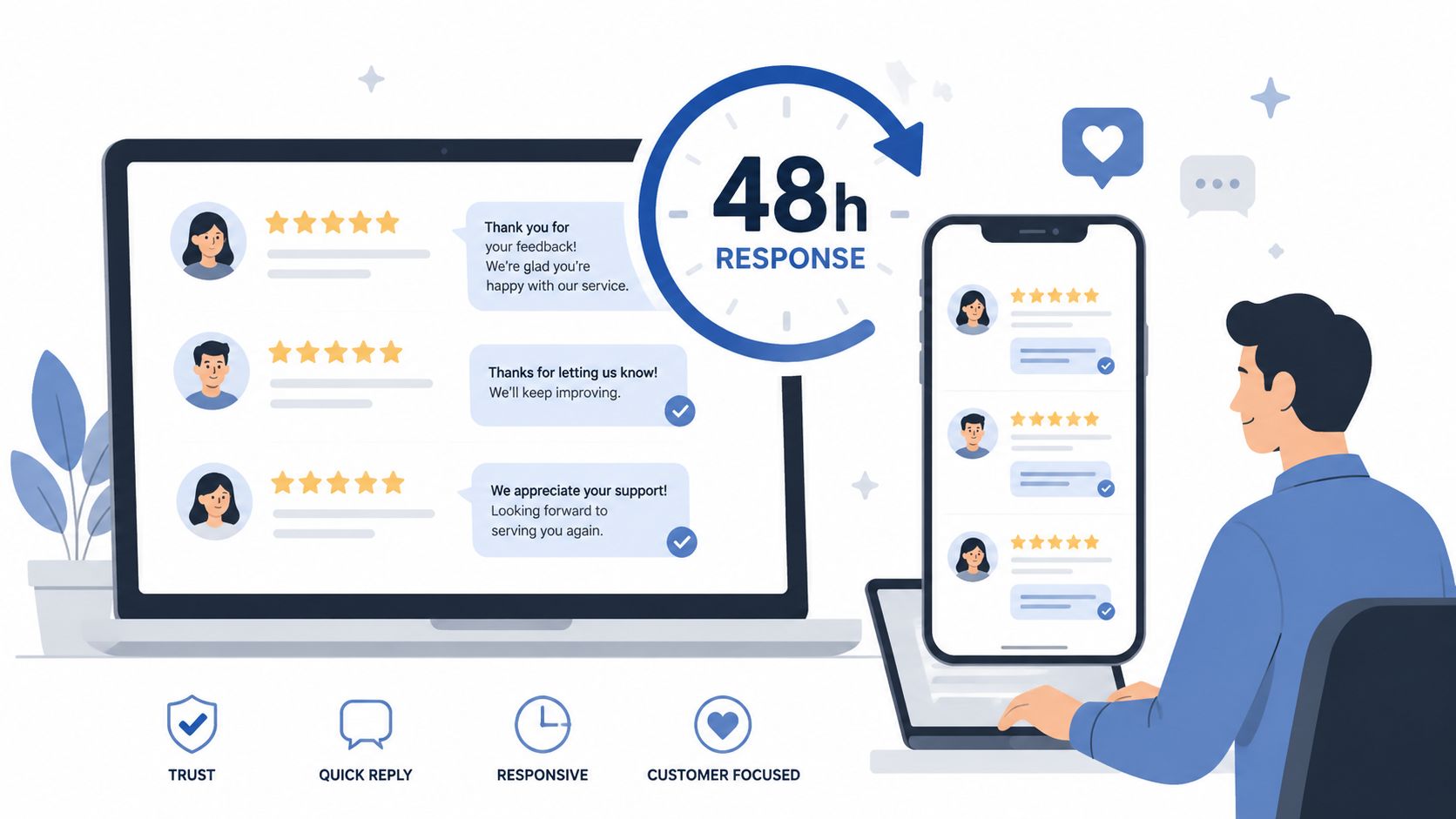
A useful rule is simple. Check your review platforms every day and reply within two days at most. That gives you enough time to verify what happened, but not so much time that the complaint goes stale and public.
What a good reply actually does
A strong response doesn't try to win an argument. It acknowledges the issue, addresses the specific point, and shows what changed.
Say a Dorset pub gets a poor review after a chaotic weekend service with inconsistent mains. A weak reply would be defensive and vague. A better one would thank the guest, admit standards slipped, explain that extra kitchen support was brought in, and invite them back.
Practical rule: Reply for the next reader, not just the original reviewer.
That matters for recruitment as well. Relief chefs and permanent candidates notice whether managers stay measured in public. If your replies are sharp, sarcastic or evasive, good people assume the culture behind the scenes is the same.
Keep the process simple
You don't need a long policy document. You need a repeatable routine.
- Set a daily review check. Build Google, TripAdvisor, Indeed and Glassdoor into the opening manager checklist.
- Use a short template. Thank them, mention the issue, state the action taken, and offer a next step.
- Feed patterns into operations. If several reviews mention slow tickets or patchy food quality, bring that into briefing and staffing decisions.
- Link service fixes to standards. Tie your replies back to clear customer service standards for hospitality teams.
A hotel group in Reading can also use positive reviews well. If a guest praises the breakfast team by name, respond properly. Public recognition boosts morale, shows future hires that effort gets noticed, and strengthens your reputation without sounding staged.
2. Showcase Your Kitchen Team and Workplace Culture Publicly
Most venues only post when they have a new menu or a special event. That's not enough.
If you want stronger reputation management, show how your kitchen runs. Good chefs, especially temporary chefs weighing up short-term assignments, want evidence of stability. They look for clean sections, organised prep, decent people, and signs that management values the team rather than treating everyone as interchangeable.
A boutique hotel in Windsor can do this well with simple weekly content. A head chef on prep, a short team intro, a clip from briefing, or a dish being finished for service all tell a clearer story than a glossy generic brand post.

Show the people, not just the plates
Food photography matters, but culture closes the gap between interest and trust. In a market where chef shortages are still biting, the venues that attract better applicants usually make the workplace visible.
That can be as simple as:
- Team spotlights. Share who's on section, who's been promoted, and who's joined the brigade.
- Training moments. A head chef coaching plating or service prep shows standards and patience.
- First-day content. With permission, welcome a temporary chef or new permanent recruit and make the team feel open, not cliquey.
A multi-site pub group in Berkshire might post a Chef of the Month update on LinkedIn. A Dorset restaurant might share a short reel of a senior chef mentoring a younger one through garnish and finish. Both help guests and prospective staff see a serious kitchen with a human tone.
Visibility reduces uncertainty. Uncertainty is what makes strong chefs turn a shift down.
Keep it genuine
Don't stage a fake culture campaign while the rota is falling apart. Staff can tell, and so can candidates.
This is also where staffing support helps. In 2025, foreign-born workers made up 31.4% of the UK hospitality workforce, compared with a 21.0% cross-industry average, according to this UK hospitality labour market report. For many independent venues in Devon, Bristol and beyond, that labour squeeze means you can't just assume a chef will appear at short notice. Reliable relief cover becomes part of the story you tell publicly about kitchen stability.
A short video works well here because people trust movement and tone more than polished copy.
A quick look at how teams can present themselves online helps set the benchmark:
When Relief Chefs UK places relief chefs or temporary chefs into a site, it's worth acknowledging that support properly. It shows flexibility without embarrassment, and it tells future hires that your operation plans ahead instead of lurching from crisis to crisis.
3. Establish a Proactive Crisis Communication Plan
Every venue believes it will handle a crisis sensibly. Many don't.
The problem usually isn't the incident itself. It's the delay, the mixed messages, and the decision to say nothing while staff and guests fill the gap with their own version. A food safety concern, a sudden head chef departure, or a customer incident can turn into a reputation issue within hours if nobody owns the communication.
Write one page and keep it usable
A crisis plan doesn't need corporate language. It needs names, numbers and first actions.
For a hotel in Slough or a restaurant in Bristol, that should include the general manager, head chef, local authority contacts, insurer, and staffing partner. If key kitchen staff drop out, someone must know exactly who calls for cover, who briefs front of house, and who updates affected guests.
A practical example is a Berkshire boutique hotel hit by a mid-week food safety alert. The best operators isolate the issue, notify the relevant people, document the facts, and arrange kitchen support straight away so the recovery is controlled. They don't wait until the Friday rush to work out who's in charge.
Tell people what happened and what changed
Guests don't expect perfection. They expect honesty and action.
If a pub in Devon has a customer incident involving staff, the manager should record the facts, brief the team, and communicate without emotion. If a restaurant loses a senior chef unexpectedly, management should tell staff what cover is in place and what service adjustments are happening. Rumours thrive where management goes quiet.
On shift advice: Facts first, feelings second. Internal briefing before public posting.
The staffing context matters here. Between April and May 2025, accommodation and food services lost more than 11,000 payrolled jobs, with employee numbers falling from 2,111,898 to 2,100,827, which that hospitality employment report describes as a 4.6% decline compared with May 2024. In plain terms, many venues are carrying less buffer in the kitchen. When a crisis hits, the businesses with proper cover plans recover faster.
Relief Chefs UK should sit on that one-page plan. Keep their details alongside your other emergency contacts and build their role into your hospitality contingency planning guide. If short notice sickness or a sudden departure threatens service, rapid cover can stop an operational issue becoming a public reputation problem.
4. Build Relationships with Local Media and Industry Influencers
You shouldn't wait until something goes wrong to become visible in your area.
Local journalists, food writers, regional bloggers and hospitality voices shape how people talk about your venue. When they already know who you are, you're more likely to get fair coverage, faster replies, and opportunities to tell a stronger story about your business.
Earn attention before you need defence
A Windsor hotel launching a seasonal menu can invite a local food writer on a quieter service. A Berkshire pub group appointing a new head chef can send a concise press note with a proper angle. A Dorset restaurant manager can contribute a guest piece to a regional hospitality title on keeping kitchens steady during peak demand.
Those moves do two things. They create positive search results around your brand, and they give job-seeking chefs a wider picture of your standards. If somebody searches your venue and finds thoughtful coverage rather than just stale directory listings, your reputation improves before they ever step through the door.
What works best is specificity. New menu. New chef. Local sourcing. Staffing resilience through summer. Reopening after refurbishment. Clear, factual updates travel further than self-congratulatory noise.
Use staffing stories carefully
There's a useful angle many operators miss. Staffing resilience is part of your reputation.
A venue that openly explains how it maintained standards during peak season, including the role of relief chefs, looks organised rather than stretched. That matters because staffing risk is one of the least discussed causes of online reputation damage in hospitality. This UK reputation management commentary highlights an underserved angle around staffing gaps, last-minute chef cover and transparency logs for guest-facing trust.
That's especially relevant in places like Devon, Bristol and Wales where seasonal demand can hit hard and agency reliability varies wildly. If you've used Relief Chefs UK to stabilise service, that can be part of a sensible media narrative. Not as an excuse. As proof that you solve problems properly.
- Pick relevant voices. Focus on local food and business coverage, not random national reach.
- Offer real access. Let them see the kitchen, meet the chef, and understand the operation.
- Respond quickly. Journalists work to deadlines. Delayed replies mean missed coverage.
- Keep your story operational. Standards, sourcing, service, and staffing are stronger angles than hype.
5. Create and Maintain a Comprehensive Online Portfolio of Your Work
Your website and social channels are often inspected before a booking, before a placement, and before an interview. If they look neglected, people assume the operation is neglected too.
Independent venues often lose ground to larger groups. Not because the food is worse. Because the online portfolio is out of date, inconsistent, or so thin that nobody can tell what the business stands for.
Match the online version to the real one
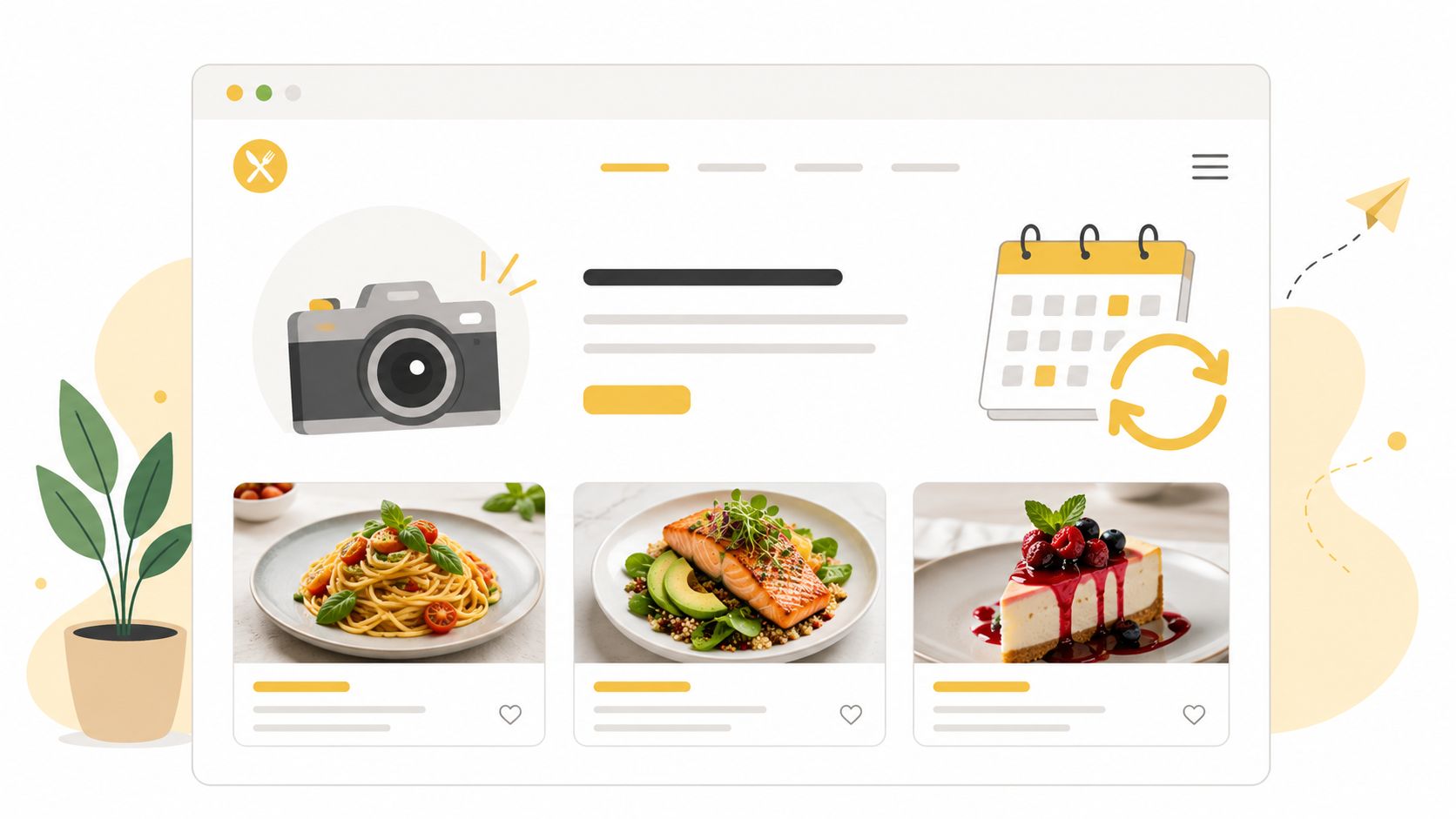
A Reading boutique hotel that refreshes its site every quarter with current menus, recent photography and team profiles sends a clear message. Standards are current. The kitchen is active. Management pays attention.
A Dorset restaurant can do the same by adding bios for the head chef and senior team, a short note on the style of food, and clear imagery of the dining room and key dishes. Prospective relief chefs then know what kind of service and kitchen setup they're walking into before day one.
The mistake is overproducing content and undermaintaining it. Five old blog posts and broken menu links are worse than a smaller site that's current and accurate.
What needs updating most often
Your online portfolio should cover food, people, process and contact routes.
- Current menus and seasonal updates. Old dishes confuse guests and make service harder.
- Professional images. Good photography supports trust better than stock visuals.
- Team pages. Show who leads the kitchen and what experience sits behind the pass.
- Booking and enquiry paths. Make it easy for diners, applicants and operators to reach you.
For staffing, this matters more than many managers realise. In the UK accommodation and food service sector, the average cost to fill a vacant chef or kitchen role is about £6,125, according to CIPD data referenced in this hospitality staffing cost analysis. If you're spending that kind of money replacing people, your online presentation should help retention and attraction, not sabotage it.
A strong portfolio also supports commercial credibility for specialist services. If you need yacht chefs, villa chefs, permanent chef recruitment or wider hospitality staffing support, the public face of your venue should reassure candidates and clients that they're dealing with professionals.
6. Implement a Structured Staff Feedback and Recognition System
If your team only hears from management when something goes wrong, your reputation will leak from the inside out.
Staff talk. Relief chefs talk. Former employees talk even more. The venues that earn good word of mouth in the chef community usually have one thing in common. Feedback is normal, recognition is visible, and standards are explained rather than barked across the pass.
Make feedback routine, not occasional
A Bristol pub can run short one-to-ones every quarter. A Windsor hotel group can build a monthly recognition habit into briefing. A Dorset restaurant can use a simple anonymous form for equipment, process and culture feedback. None of that is complicated, but it changes how the workplace feels.
The point isn't to create a corporate HR layer over a working kitchen. It's to stop problems from festering into resentment, cancellations and bad staff reviews online.

A useful format is brief and direct. What's going well. What isn't. What support do you need. What are you aiming for next. Head chefs don't need a script beyond that, but they do need to listen properly and follow up.
Recognition should be specific
Generic praise doesn't land. Specific praise does.
Marcus held garnish together during a difficult lunch push, helped a newer chef on section, and kept the standard steady. That's recognition people remember.
This matters in today's labour market. UKHospitality analysis says about 89,000 positions have been lost in restaurants, bars, pubs and hotels since October of the previous year, with hospitality accounting for 53% of all UK job losses and 4.1% of sector jobs disappearing, as reported by the BBC on hospitality job losses. In that climate, the venues that keep good people and make temporary cover feel welcomed have a real edge.
That includes agency and relief support. When Relief Chefs UK sends a chef into your kitchen, treat that person like part of the team from the start. Introduce them properly, recognise good work, and include them in debrief. It improves performance on the shift and increases the chance they'll accept future bookings.
You can build that into wider hospitality staffing support and make your venue known as a place where temporary chefs, permanent recruits and core staff are all treated professionally.
7. Develop a Transparent Pricing and Service Standards Policy
Confusion damages trust faster than a minor mistake.
Guests can forgive a delay more easily than a surprise charge. Staff can work through a busy service more willingly than they can tolerate unclear rules, moving targets and hidden expectations. One of the most practical reputation management tips is to make your terms obvious before anyone has to ask.
Publish what people need to know
A Berkshire boutique hotel should state room rates, breakfast terms, cancellation policy and any added fees clearly. A restaurant in Reading should explain booking deposits, allergy communication, table timings and private dining terms in plain English. A pub in Dorset should make refund and cancellation rules visible in confirmations, not buried after the dispute starts.
The same principle applies behind the scenes. If you bring in temporary chefs, be clear about rates, shifts, start times, kit expectations, breaks and who signs off the shift. Ambiguity creates friction. Friction turns into complaints.
What works is consistency across channels. Website, booking emails, printed menus, staff handbooks and manager briefings should all say the same thing. If one source says one thing and another says something else, the guest assumes the business is disorganised.
Transparency also protects review quality
This has become even more important because review practices themselves are under legal scrutiny in the UK. Since 6 April 2025, businesses must avoid fake, commissioned, concealed or otherwise prohibited reviews and take reasonable steps to prevent them under the DMCCA changes noted earlier. So if you want stronger review profiles, the answer isn't gaming the system. It's running cleaner operations and clearer policies.
- Use plain language. If a guest or junior manager can't understand the policy, rewrite it.
- Train front of house to explain it. A good policy still fails if nobody can communicate it calmly.
- Apply standards fairly. If you make an exception, explain why.
- Explain quality controls. If you use relief chefs, be open about vetting and standards rather than hiding it.
Relief Chefs UK helps here because transparent staffing support strengthens operational trust. Relief chefs, temporary chefs, permanent chef recruitment and specialist placements all work better when the venue itself is open about expectations. Guests feel safer. Staff feel clearer. Reviews become less volatile.
8. Collect and Leverage Case Studies and Success Stories from Your Operations
A reputation is easier to believe when people can see how you handled a real situation.
That doesn't mean inventing polished success stories. It means recording genuine examples of pressure handled well. A packed bank holiday with short notice sickness. A wedding service saved by dependable kitchen cover. A seasonal stretch where your core team stayed fresh because extra support was planned properly.
Capture the story while it's fresh
A Bristol restaurant that loses its head chef to illness on a key December service and still delivers a smooth night has a story worth keeping. A Reading hotel that expands room service during a heavy summer period without burning out the permanent brigade has another. A Dorset pub that absorbs a late staffing change and the guest never notices has the strongest sort of proof there is.
Write these up quickly. What happened. What risk it created. What support came in. What changed operationally. What the guest experienced. Keep them factual and readable.
If you publish them on your website or use them in sales conversations, get permission first. Name people only when they're happy to be named. Good case studies feel specific but respectful.
Focus on resilience, not heroics
The best success stories aren't about management saving the day through sheer will. They're about systems working.
That's especially important now because staffing pressure isn't theoretical. Independent venues are still dealing with chef shortages, seasonal demand, rota gaps and mixed agency quality across the country. A case study that shows your business responded with calm, vetted support is much more convincing than one that boasts about surviving chaos.
A useful case study answers one question clearly. If this happened at my venue, would these people handle it well?
Relief Chefs UK gives you strong material here. Established in 2013, the business supports independent pubs, restaurants, boutique hotels, private households and specialist placements including yacht chefs and villa chefs nationwide. If a relief placement helped you hold standards through a difficult week, that's worth documenting. It reassures future clients, future staff and future guests that your venue can protect quality when things get tight.
8-Point Reputation Management Comparison
| Item | 🔄 Implementation Complexity | ⚡ Resource Requirements | 📊 Expected Outcomes | 💡 Ideal Use Cases | ⭐ Key Advantages |
|---|---|---|---|---|---|
| Monitor and Respond to Online Reviews Within 48 Hours | Medium, set workflows, templates, rapid checks | Moderate, daily staff time, monitoring tools, training | Higher local SEO, quicker issue mitigation, increased trust | Venues with active reviews or seasonal staffing pressure | Demonstrates accountability; reduces negative impact; reassures relief chefs |
| Showcase Your Kitchen Team and Workplace Culture Publicly | Medium, ongoing content planning and consent | Moderate, phone/camera, editing time, social management | Better recruitment, higher staff retention, brand differentiation | Chef-short markets; venues wanting to attract talent | Attracts quality hires; creates authentic marketing; improves morale |
| Establish a Proactive Crisis Communication Plan | High, needs documented protocols and roles | Low–Moderate upfront, planning, training, annual review | Faster coordinated responses; reputation protection; legal clarity | High-risk operations, multi-site groups, crisis-prone venues | Controls narrative; reduces panic; protects legal/brand standing |
| Build Relationships with Local Media and Industry Influencers | Medium–High, relationship building over time | Moderate, PR effort, events, sample costs | Third-party credibility, regional visibility, SEO lift | Launches, milestone announcements, destinations seeking exposure | Powerful endorsements; increased discoverability; industry credibility |
| Create and Maintain a Comprehensive Online Portfolio of Your Work | Medium, initial build plus regular updates | Moderate–High, photography, web maintenance, content time | Strong first impressions, improved SEO, clearer expectations | Independent hotels/restaurants competing with chains | Controls narrative; attracts clients and staff; signals professionalism |
| Implement a Structured Staff Feedback and Recognition System | Medium, scheduling, anonymous channels, follow-up | Moderate, manager time, possible survey/HR tools | Improved retention, staff advocacy, early problem detection | Teams with turnover or aiming to improve culture | Staff become ambassadors; measurable performance gains |
| Develop a Transparent Pricing and Service Standards Policy | Low–Medium, drafting and publishing clear policies | Low, time, legal review, staff briefing | Fewer disputes, higher customer trust, smoother partnerships | Venues with booking friction or corporate clients | Builds trust; reduces complaints; aligns expectations |
| Collect and Leverage Case Studies and Success Stories | Medium, documentation, permissions, production | Moderate, interviews, writing/video production, time | Tangible proof of capability; stronger credibility and SEO | Venues with notable recoveries, peak-season wins, or events | Converts claims to evidence; emotionally persuasive; marketing asset |
Putting Your Reputation Plan into Action
Reputation management works best when it's tied to operations, not treated as a separate marketing chore. This operational link is the consistent theme across all eight of these reputation management tips. Reviews reflect service. Service reflects staffing. Staffing reflects planning. If one of those breaks, the others feel it fast.
Start with one habit you can keep. Reply to reviews within two days. Put a one-page crisis plan in place. Refresh your website so it matches the current business. Introduce a proper feedback rhythm for the kitchen. Small changes done consistently beat ambitious plans that disappear after a week.
For hospitality operators, staffing deserves a bigger place in reputation planning than it usually gets. Guests don't always know why standards slipped, but they feel the result straight away. Delayed food, closed sections, inconsistent dishes, stressed teams and poor communication all end up in public feedback. That's why kitchen stability matters commercially as much as culinarily.
Relief Chefs UK helps close that gap. Established in 2013 and built by hospitality people, not generic recruiters, the company supports venues across Devon, Bristol, Dorset, Berkshire, Windsor, Reading, Slough, Wales and wider UK hospitality hotspots with relief chefs, temporary chefs, permanent chef recruitment, yacht chefs, villa chefs and broader hospitality staffing support. When short notice sickness hits, when seasonal demand spikes, or when a key chef leaves unexpectedly, dependable cover protects both service and reputation.
There's also a trust benefit in how you talk about that support. Venues no longer need to act as if using temporary cover is a weakness. In many cases it shows the opposite. It shows the business takes standards seriously enough to bring in vetted help rather than ask an exhausted team to absorb another crisis. That's a better message for guests, a better message for future hires, and a better internal message for the brigade already carrying the load.
If you're reviewing your own venue this week, look at it the way a guest, an applicant and a relief chef would. Are the reviews answered? Is the website current? Do your policies feel fair? Would a journalist or blogger see a stable operation? Would a good chef want to walk into your kitchen on a busy Friday night?
If the answer is not yet, fix the operational pressure points first and let your public reputation follow the truth of better service.
If your venue needs dependable kitchen cover, stronger recruitment support, or a staffing partner that helps protect standards as well as service, contact Relief Chefs UK. Whether you need relief chefs, temporary chefs, permanent chef recruitment, yacht chefs, villa chefs or wider hospitality staffing support, the team can help you keep the kitchen open, the rota stable and your reputation intact.