
Working for a Temp Agency: UK Chef Staffing Insights 2026
23 May 2026
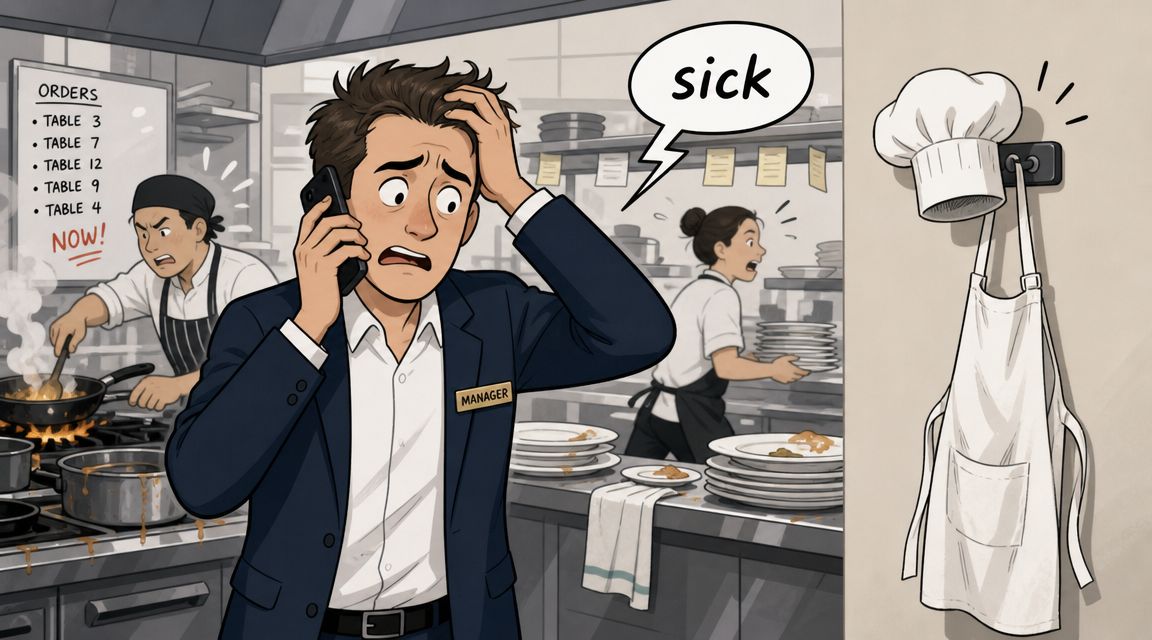
Friday afternoon. Full bookings. Functions running late. Deliveries still coming through the back door. Then your grill chef calls in sick, your sous is already covering prep, and the head chef is doing the maths on whether service can go ahead without the kitchen falling apart.
That's the point where many operators start searching for answers around working for a temp agency, but from the wrong angle. The usual advice is written for jobseekers. It talks about flexibility, shift patterns and getting work quickly. Useful, but incomplete. For a hospitality manager, the core question is different. It's whether the temp agency model gives you a reliable way to protect service, control labour risk and stop one absence from turning into a disastrous shift.
That matters because temporary agency work isn't some fringe workaround. In the UK, it's a structural feature of the labour market, with the number of people in temporary work often sitting in the low millions, according to analysis referencing UK temporary work trends. In hospitality, where demand changes fast and staffing gaps hit instantly, that makes agency cover a practical operating tool rather than a last resort.
Introduction The Reality of Modern Kitchen Staffing
A kitchen rarely collapses because of one big event. It usually goes wrong through a chain reaction.
A chef phones in sick. Another team member stays late to cover. Prep slips. Breaks get missed. Service starts with the wrong section understaffed. By 8pm, tickets are backing up, allergens need double-checking under pressure, and your duty manager is on the floor apologising for delays.
Managers in Devon, Bristol, Wales, Berkshire, Windsor, Reading, Slough and Dorset all know the pattern. Holiday trade arrives early. A wedding booking grows. A team member leaves with little notice. Or a permanent chef search drags on while the rota gets thinner each week. The staffing problem changes shape, but the operational pressure is the same.
Why temp cover is no longer just emergency cover
Using agency chefs used to be seen as a distress purchase. Something you did only when every other option had failed.
That view is outdated. In practical terms, agency cover gives operators a way to build resilience into the rota before the pressure point arrives. It creates room for sickness cover, annual leave, trial periods before permanent hiring, and seasonal reinforcement when occupancy or footfall rises faster than recruitment can keep up.
Practical rule: If one absence can break service, you don't have a staffing plan. You have a staffing hope.
The strongest operators now treat flexible staffing as part of kitchen planning. They still want a stable core brigade. Of course they do. But they also know that a flexible layer around that core can keep standards steady when reality intervenes.
What managers are really buying
A temp chef isn't just labour. A good placement buys time, continuity and fewer poor decisions made under pressure.
It means your head chef doesn't have to rush an unsuitable hire because the pass needs covering next week. It means your supervisors aren't rewriting rotas at midnight. It means guests experience a functioning kitchen rather than a team stretched beyond safe limits.
For pubs, hotels, private households and busy restaurant groups, that's the difference between coping and operating properly.
How Temp Agency Staffing Actually Works
The agency model is straightforward once you strip away the jargon. There are three parties involved. The venue that needs cover. The agency that employs or arranges the worker. The chef who carries out the assignment on-site.
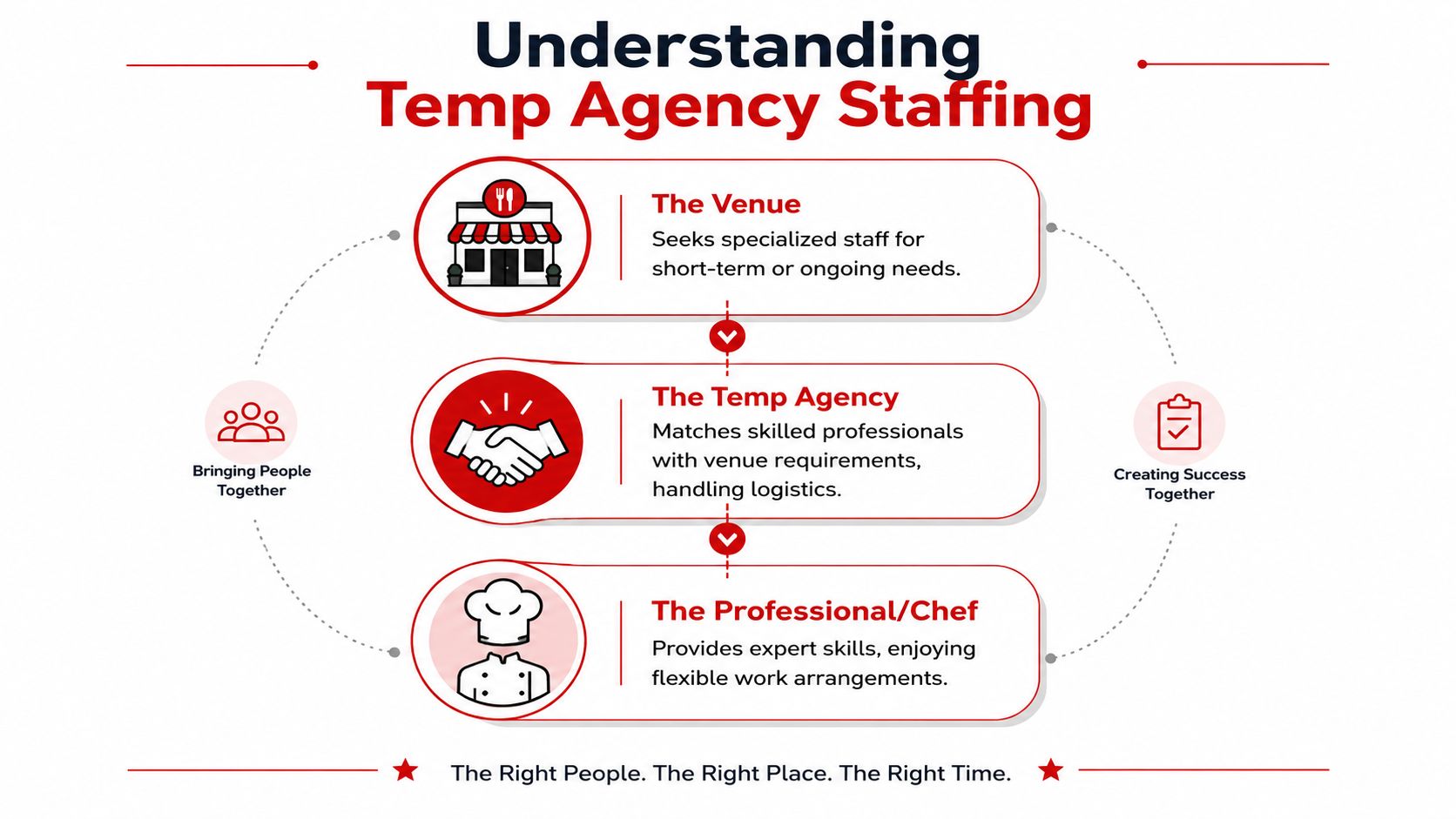
That structure matters because agency work is different from direct employment. The worker is employed by the agency but assigned to a hirer, which splits legal responsibility. UK guidance described in this overview of how staffing agencies place temps makes the division clear. The agency handles core compliance such as right to work and payroll treatment, while the hirer controls the chef's day-to-day work on shift.
Who does what in practice
For a hospitality business, the split usually looks like this:
- The agency handles the employment side. That includes paperwork, payroll handling, assignment terms and pre-placement checks.
- The venue runs the shift. Your team sets prep lists, section responsibilities, service standards and reporting lines.
- The chef fills a defined operational gap. That could be breakfast cover in a hotel, pastry support for an event weekend, or head chef cover in a gastropub between hires.
A lot of manager anxiety comes from not knowing where the grey areas sit. In a good agency relationship, there shouldn't be many. Before the shift starts, the role should be defined clearly. Start time, finish time, section, menu type, expected level, kit familiarity and site rules all need stating upfront.
A useful example is a hotel in Windsor needing short-notice breakfast and banqueting support. If the agency knows whether the chef is walking into buffet breakfast, plated functions, or both, the placement has a much better chance of landing well. If the brief is vague, you increase the risk of mismatch before the chef even arrives.
Here's a visual explanation of the model in action.
Why this reduces management drag
The right agency removes admin from the venue side. Your team shouldn't be spending service week chasing documents, sorting payroll questions or trying to verify whether a last-minute worker is cleared to start.
That's why operators often use a temporary agency chef service when they need speed without taking on all the employment admin themselves. The agency model works best when your managers can focus on briefing, supervision and service delivery, rather than rebuilding an HR process every time someone is off.
The agency should solve complexity, not add another moving part to an already stretched kitchen.
The Strategic Benefits of a Flexible Chef Team
There's a commercial mistake many venues make. They treat agency staffing as an emergency budget line instead of a planning tool.
That creates the wrong decision process from the start. You only call when the kitchen is already under pressure, choices are limited, and the available pool is tighter. A smarter approach is to use flexible chef cover where volatility is predictable, even if the exact day of pressure isn't.

UK hospitality has strong exposure to seasonal and short-notice labour demand, and the sector has seen high vacancy pressure, making agency staffing economically rational for absorbing spikes without taking on the fixed cost of unnecessary permanent hires, as outlined in this discussion of temp staffing and hospitality volatility.
Where flexible cover makes financial sense
A flexible chef team is useful in situations managers can usually see coming:
| Scenario | Permanent hire response | Flexible staffing response |
|---|---|---|
| Summer trade in Devon or Dorset | Risk of over-hiring if demand softens | Add temporary support for peak weeks |
| Christmas party season in Bristol or Reading | Hard to recruit and onboard in time | Bring in experienced short-term kitchen cover |
| Long notice periods for senior chefs | Core team gets stretched for months | Maintain service while permanent recruitment runs |
| Holiday leave clusters | Existing team absorbs too much overtime | Protect rest days and rota stability |
The point isn't to replace your permanent brigade. It's to stop the permanent brigade carrying all the shock load.
Where it works well and where it doesn't
Temp staffing works well when the role is clearly specified and the site is organised enough to absorb someone quickly. It works badly when the venue is trying to use one chef to solve wider management problems.
Use flexible staffing for:
- Planned pressure points such as bank holidays, weddings, sporting weekends and school breaks.
- Short-notice disruption including sickness, no-shows and emergency leave.
- Bridging recruitment gaps when a permanent head chef or sous role hasn't been filled yet.
- Skill-specific support such as banqueting, pastry, breakfast, events or high-volume prep.
Don't expect a temporary chef to fix:
- A broken menu structure that your current labour model can't realistically execute.
- Poor kitchen leadership where no one can brief properly or own standards.
- Chronic under-scheduling where every shift is already staffed below safe operating levels.
A temp chef should stabilise service. They shouldn't be expected to rescue a kitchen that has no plan, no prep discipline and no leadership on shift.
For many venues, especially in tourist-led and event-led locations, a flexible layer around the brigade protects revenue more effectively than forcing every peak into the permanent payroll.
The Specialist Chef Agency Advantage
A general staffing agency can often find someone available. That's not the same as finding someone suitable.
In hospitality, the difference shows up fast. A chef who looks acceptable on paper may still struggle with pace, section control, allergens, ordering discipline or the realities of your service style. A specialist agency is more likely to understand those differences before the chef ever walks through the door.
Generic agency versus chef specialist
Here's the practical contrast:
Generalist agency
Usually strong on broad staffing volume. Less likely to understand the difference between a banqueting chef, a gastropub sous chef and a senior CDP for a high-spec hotel kitchen.Specialist chef agency
More likely to screen for actual kitchen fit. That includes food hygiene awareness, brigade level, menu style, service volume and whether the chef can walk into your specific environment without creating drag.
That distinction matters in places like Berkshire and Windsor, where one venue may need polished hotel breakfast leadership while another needs strong pub service management and stock control. Both are “chef” roles. They are not interchangeable.
Why hospitality expertise changes the result
Managers should ask harder questions before using any agency:
- Do they understand section level? A sous chef role and a relief head chef role are different asks.
- Can they discuss allergen awareness and kitchen compliance? If they can't, they're matching CVs, not protecting service.
- Do they handle broader hospitality recruitment too? Agencies with deeper sector knowledge are often better at both short-term and long-term fit.
A specialist partner may also support different hiring routes under one roof, from short-term cover to chef employment agency support for permanent chef recruitment, as well as harder-to-source placements such as yacht chefs, villa chefs and private household roles.
One practical example is Relief Chefs UK, established in 2013, which provides temporary chefs, relief chefs, permanent chef recruitment and hospitality staffing support for venues across the UK. The relevance for managers is simple. A specialist operation that works inside chef hiring every day is usually better placed to judge fit than a broad recruiter filling multiple industries at once.
Choosing Your Staffing Partner The Relief Chefs UK Promise
Most agency problems start before the first shift. They start when a venue chooses on speed alone and skips the due diligence.
A staffing partner should be judged on what happens before dispatch, during the booking, and if something goes wrong. If you don't check those points, you can end up paying for uncertainty rather than cover.
What to check before you commit
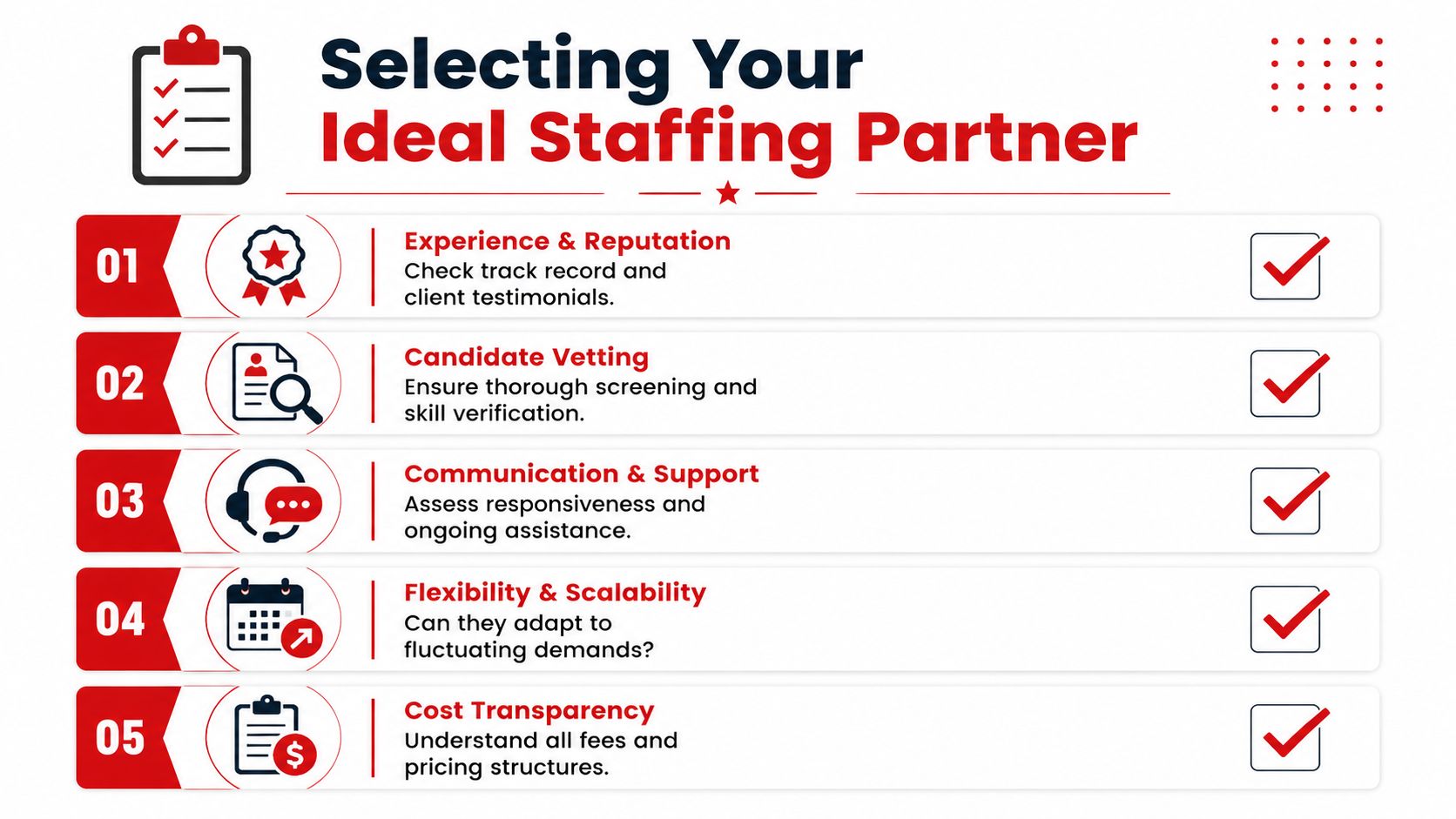
Use this as a practical shortlist when comparing agencies:
- Track record in hospitality. Ask how long they've been operating in chef staffing specifically. Kitchen recruitment isn't the same as general temp supply.
- Vetting depth. You need more than a name on a rota. Ask how right-to-work checks, work history review and role matching are handled.
- Response handling. If your breakfast chef drops out at night, can you reach someone who can solve the problem?
- Clarity on terms. Hidden fees, vague cancellation language and unclear replacement policies usually become expensive later.
- Range of support. Can they help only with one-off shifts, or also with longer bookings, permanent chef recruitment and specialist placements?
What good looks like operationally
A capable agency should make the booking process simple enough that your managers will use it under pressure.
That means:
- You send a clear brief. Site, shift, section, service style and level.
- The agency confirms fit quickly. Not vague promises. A real response.
- You receive a chef who has been checked properly. Not a last-minute gamble.
- There's support if the brief changes. Events overrun. Covers increase. Services evolve.
For operators reviewing guidance on working with temp agencies, the key test is whether the agency reduces kitchen chaos or merely invoices for it.
Good agency cover feels organised before the chef arrives. Bad agency cover feels uncertain until the first ticket lands.
Relief Chefs UK was established in 2013 and works nationwide across pubs, restaurants, boutique hotels, private households, yachts and villas. According to the company's published service information, venues can request cover by phone or form and access vetted chefs with right-to-work checks and flexible support options, with a team available 24/7 and cover subject to availability. For a manager, that's the sort of model worth testing against your own checklist.
FAQ for Hospitality Managers
What are our legal responsibilities when using a temp chef
You still control the day-to-day work on-site. That includes briefing, supervision, health and safety in the kitchen, and making sure the chef understands your service, equipment and site rules.
The agency side handles the employment framework and key compliance around the assignment. After 12 weeks in the same role, agency workers are entitled to the same basic working and employment conditions as comparable direct hires under the UK's Agency Workers Regulations 2010, as explained in this overview of temp agency rules and equal treatment. A professional agency should track that properly so your managers aren't left guessing.
What if the temp chef isn't the right fit
Act early. Don't let a poor fit drag through multiple shifts because nobody wants an awkward phone call.
If there's a problem, document it clearly. Was it skill level, punctuality, attitude, section mismatch, or failure to follow site process? Specific feedback gives the agency a chance to replace accurately rather than just quickly. Good agencies want detail because it improves the next match.
How are pay and invoicing usually managed
The chef is typically paid through the agency, not through your own payroll. Your venue receives an invoice based on the agreed booking terms.
That's one reason the model appeals to busy operators. It keeps payroll handling cleaner for temporary cover and avoids turning every emergency shift into an internal admin task.
Can agency work lead to permanent hiring
Yes, sometimes. It can be a sensible route when you want to see how a chef performs in your environment before discussing a long-term role.
But that only works when the chef gets a proper briefing, repeated placements where relevant, and fair commercial terms between venue and agency. Temp-to-perm works best as a deliberate staffing route, not as an accidental by-product of rota panic.
If your kitchen needs reliable chef cover, permanent recruitment support, or specialist placements for private households, yachts or villas, contact Relief Chefs UK. A clear brief today can prevent a staffing crisis by the next service.
Call the team.
Office 01392 715474 · info@reliefchefs.co.uk