
Boutique Hotel Description: 6 Examples & Writing Tips
10 July 2026
Your Description Is a Promise Your Kitchen Must Keep
A strong boutique hotel description doesn't just help sell rooms. It sets a standard your team has to hit at breakfast, lunch, dinner, private dining, room service, weddings, tastings, and every last-minute dietary request in between. If your website promises customized dining, local produce, elegant presentation, or wellness-led menus, guests will expect the kitchen to deliver without excuses.
That's where many independent hotels get caught out. A chef calls in sick. A sous chef walks. A seasonal rush lands harder than expected in Devon, Berkshire, Bristol or Wales. The front end still sells the dream, but the back end starts slipping. Service slows, dishes lose consistency, and online reviews start exposing the gap between the boutique hotel description and the reality on the plate.
This matters commercially. The UK boutique hotel market generated USD 2,018.0 million in 2024 and is projected to reach USD 3,105.7 million by 2030. Demand is there. Competition is there too. If your property is going to win, your marketing has to be backed by kitchen stability.
The six models below give you practical ways to write a better boutique hotel description, and also show what each description commits your operation to, and how to protect that promise with reliable relief chefs, temporary chefs, permanent chef recruitment, and wider hospitality staffing support from Relief Chefs UK, a nationwide chef recruitment agency established in 2013.
1. The Luxury Lifestyle & Personalised Service Model
If your hotel trades on intimacy, exclusivity and polished service, your description should sound precise, calm and confident. Sell the feeling of being known. Sell the idea that regulars return because your team remembers what matters, from breakfast preferences to private dining details.
A practical example for Windsor or Berkshire might read like this: your hotel offers individually styled rooms, discreet service, seasonal menus, and customized dining for weekend breaks, celebrations and executive stays. That works because it sounds premium without drifting into vague luxury clichés.
What this promise creates in the kitchen
This model puts pressure on consistency more than volume. Guests who book this kind of property won't forgive a chaotic breakfast service, a poor private dinner, or a menu item that changes because the kitchen is short-staffed.
That risk is real across the sector. Over 60% of UK hospitality businesses report staff shortages, and nearly half of UK hotels have had to cut opening hours or close on specific days due to a lack of workers. If your description promises personal service, you can't afford to be one sickness call away from reduced service.
Practical rule: If your website sells white-glove service, keep chef cover arranged before you need it, not after service starts falling apart.
In Devon, a coastal boutique hotel offering chef's-table dinners might need a relief chef for three nights during peak holiday turnover. In Reading, a luxury property hosting private dining for corporate guests might need a temporary chef when its senior sous chef goes off sick. In both cases, the marketing promise is the same. The kitchen must stay smooth.
How to write it so it converts
Use language that reflects service standards your operation can maintain:
- Lead with guest treatment: Say staff know returning guests, tailor dining, and manage special requests with care.
- Tie food to service: Mention breakfast quality, private dining, tasting experiences or event catering only if you can staff them properly.
- Avoid empty adjectives: “Elegant” and “exclusive” are weak on their own. Pair them with concrete offers like seasonal menus or bespoke celebrations.
- Back up operations: Build cover plans with customer service standards that protect boutique hospitality delivery.
Relief Chefs UK helps hotels keep this model credible with vetted relief chefs, temporary chefs and permanent chef recruitment support. If you run a premium boutique property, use relief cover to protect standards, test seasonal menus and keep private dining profitable when the rota breaks.
2. The Authentic Local & Heritage Narrative
This model works when your building, region and food story are part of the sell. Dorset country houses, Welsh rural hotels, Devon coastal properties and Cotswolds inns all benefit from a boutique hotel description rooted in place. Don't write like a chain. Write like an operator who knows exactly where the property sits and why that matters.
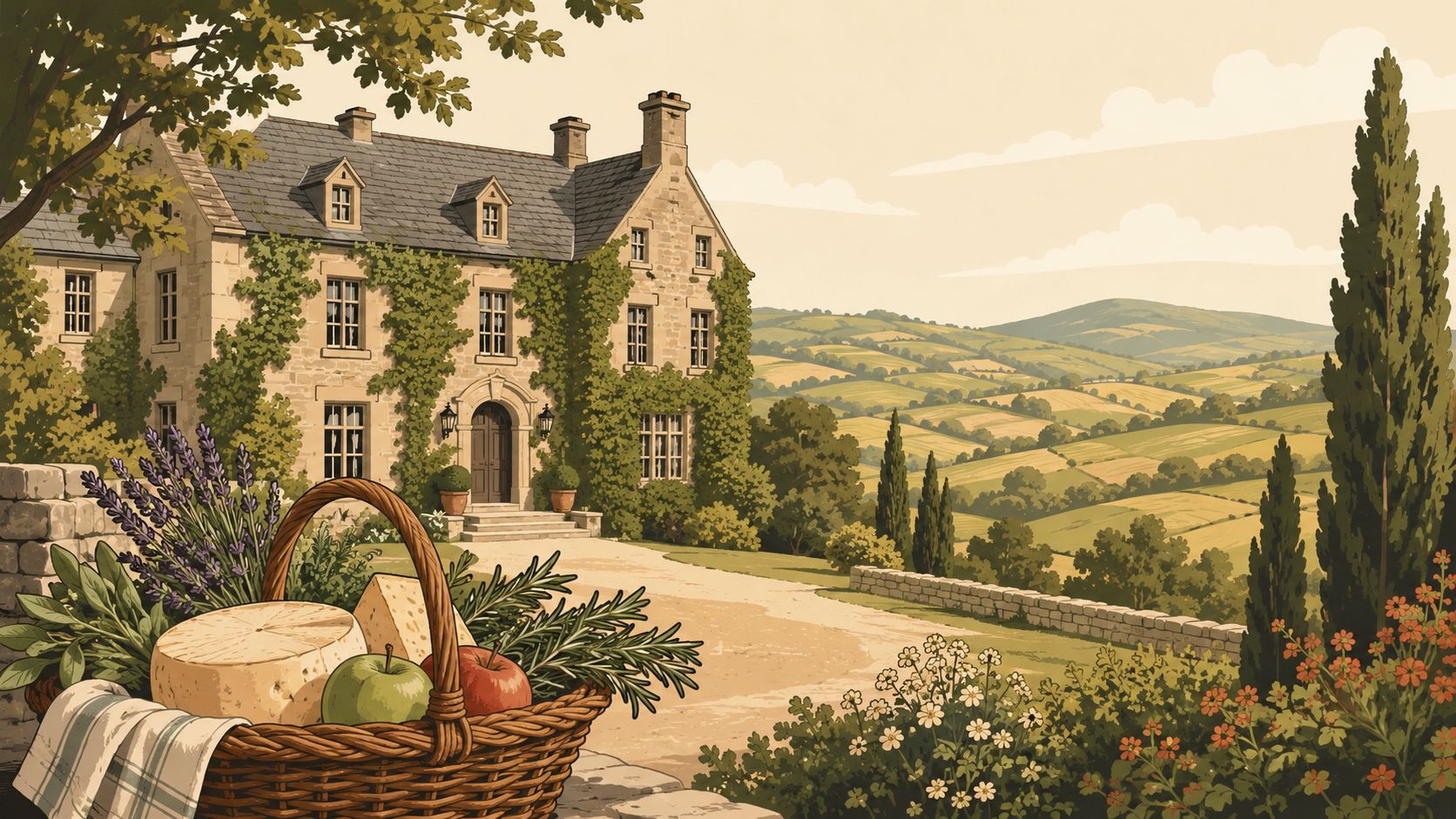
A stronger version sounds like this: a restored manor serving regional produce, local seafood, traditional British cooking and menus shaped by trusted nearby suppliers. That gives guests a reason to book your property instead of a standard hotel with nicer wallpaper.
Here's the visual mood this kind of description should support:
Heritage copy fails when kitchen knowledge disappears
The problem with heritage-led marketing is that it sounds easy to write and hard to run. You can say you celebrate Dorset seafood, Welsh lamb, West Country cheeses or old house recipes, but the kitchen team has to understand those products, suppliers and methods.
The labour gap makes that difficult. The UK hospitality sector has a 10% vacancy rate, equal to 210,000 unfilled roles, with chef shortages ranging from 10% for head chefs to 21% for production chefs. Independent hotels in places such as Devon and Bristol feel that pressure directly, especially when one missing chef forces senior staff onto basic prep and away from quality control.
Heritage isn't a design choice. In a boutique hotel, it's an operational standard that reaches the kitchen, suppliers and service team.
If your Dorset hotel advertises local crab, game and farmhouse cheeses, a random cover chef with no interest in regional cooking can weaken the whole guest experience in a single service. The answer is proper briefing and better matching.
Write local, hire local-minded
Make your description commercially useful, then support it with the right staffing:
- Name the food story clearly: Local produce, regional dishes, family ownership, old building, producer relationships.
- Connect kitchen and place: Mention day boats, farm suppliers, foraged ingredients or traditional cooking only if they're real parts of your operation.
- Brief temporary chefs properly: Give them supplier notes, signature dishes and a short explanation of your house style before service.
- Recruit for fit, not just availability: Use relief chefs for immediate cover and permanent chef recruitment when your concept depends on regional cooking credibility.
Relief Chefs UK can support both short-term cover and longer-term hiring when your heritage narrative needs chefs who understand more than basic output. That matters in rural Wales, Dorset villages and independent Cotswolds properties where authenticity is part of the room rate.
3. The Design-Driven & Contemporary Aesthetic Model
Some boutique hotels sell the room first. Others sell the image. If your property is design-led, your boutique hotel description should focus on atmosphere, architecture, interiors and the dining room as an extension of the brand. This works especially well in Bristol, Bath, Reading and city-edge properties competing for style-conscious leisure and business guests.
The strongest copy in this category is visual and controlled. It doesn't ramble. It highlights material choices, mood, lighting, art, bar design, and the food presentation guests will photograph before they eat.
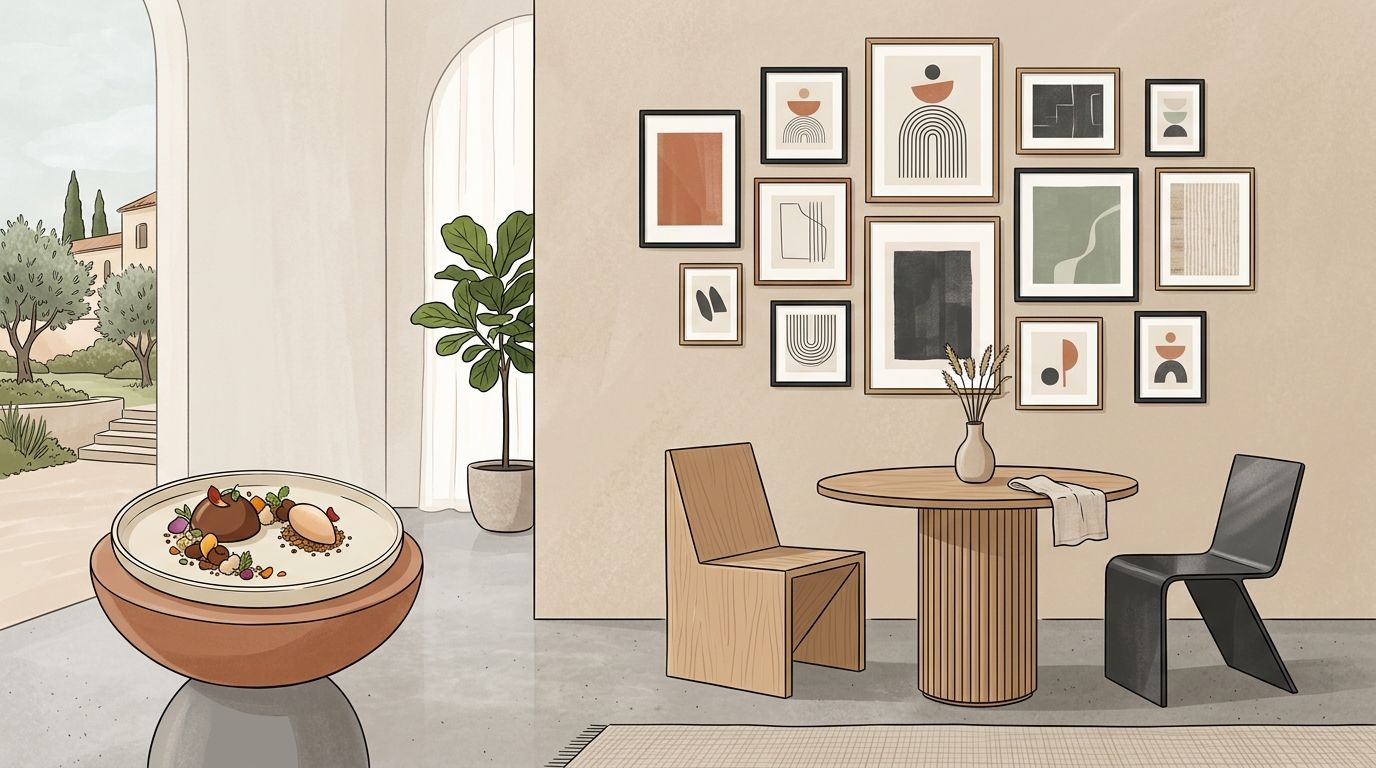
Visual brands need chefs who can plate under pressure
Many managers make a bad staffing decision. They assume any decent chef can step in for a weekend. That's not true when the brand depends on presentation. A relief chef who can cook but can't match plating standards will show up in guest photos by the end of the night.
There's also a staffing backdrop making last-minute fixes more common. The UK hospitality industry lost 59,000 workers in the past 12 months, with persistent vacancies for chefs and kitchen teams compounded by tighter immigration requirements. If you run a contemporary boutique property, you can't rely on luck when filling a key kitchen shift.
A Bristol hotel with a statement dining room and a menu built for social media needs a chef who understands clean plating, pace and detail. A Bath property selling a polished boutique experience needs every dish to look like it belongs in the room.
Make the copy sharp and the briefing sharper
Use this structure when writing and staffing around a design-led concept:
- Describe the full visual journey: Rooms, bar, restaurant, terrace, tableware, plating.
- Keep food language modern: Seasonal small plates, refined tasting menus, elegant presentation, open pass energy.
- Prepare temporary chefs properly: Send dish photos, specs and plating notes before service.
- Use specialist cover: Relief Chefs UK can place temporary chefs who fit contemporary boutique standards rather than generic production kitchens.
Design-led hotels don't just need staff. They need chefs who understand that the plate is part of the décor. If your website sells visual perfection, hire accordingly.
4. The Wellness & Holistic Experience Positioning
Wellness-led boutique hotels are selling safety, calm, discipline and trust. Your description should reflect that. Don't just say you offer healthy food. Say what that means in practice: plant-forward dining, allergen awareness, spa-linked menus, fresh local produce, and food that supports the overall guest experience.
This model fits retreat hotels in Devon, Berkshire, the Cotswolds and the Welsh countryside. It also works for smaller urban boutique properties in Bristol or Bath that package food, treatment rooms and wellness stays together.
A guest booking this kind of hotel isn't only buying a room. They're buying confidence that your team can handle dietary needs properly and serve food aligned with the brand.
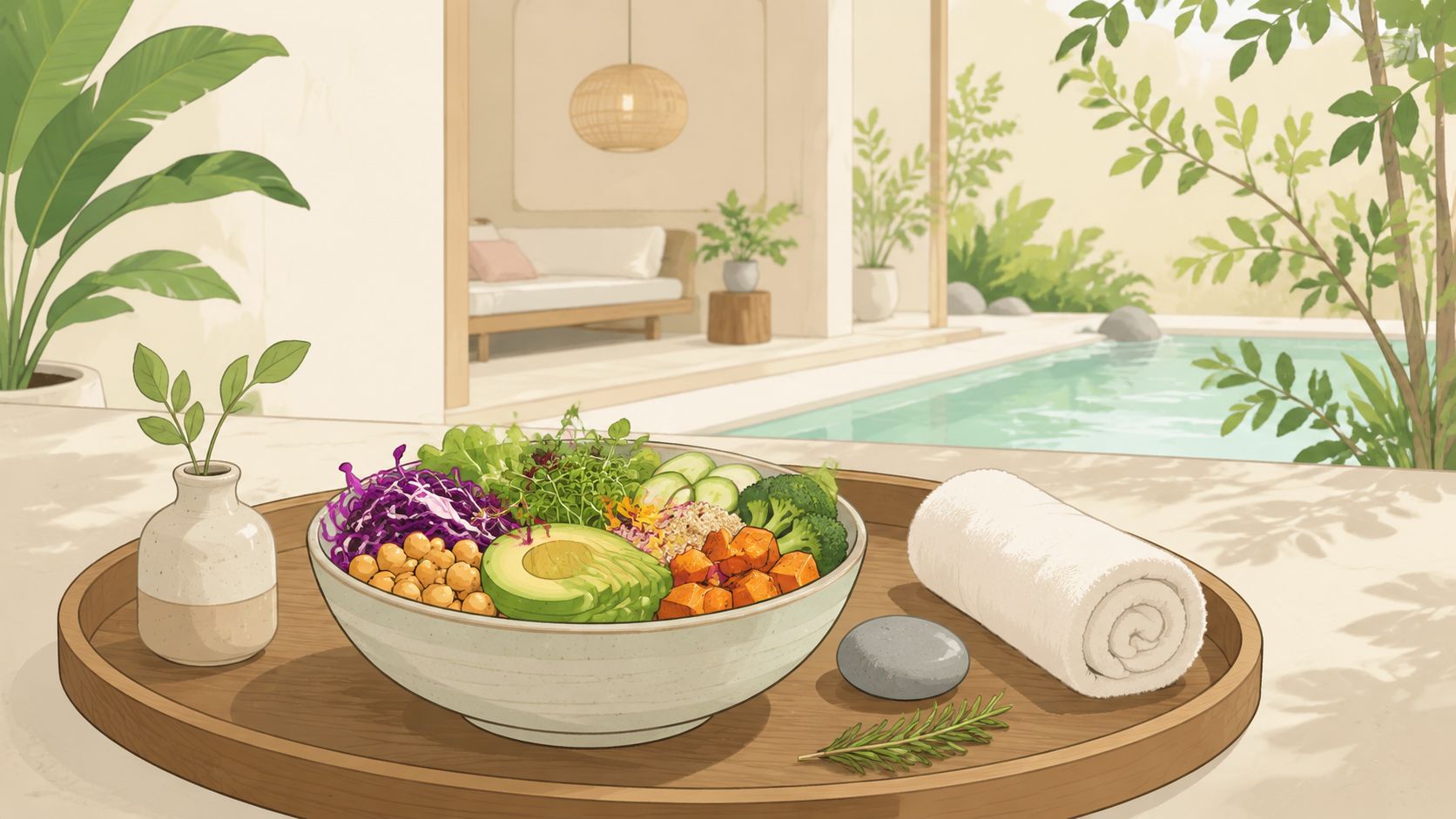
Understaffing damages trust faster in wellness hotels
Wellness copy creates specialist kitchen obligations. If you promote plant-based menus, organic sourcing, allergen protocols or nutrition-led dining, every temporary chef has to understand those standards before service begins.
That pressure is rising because staffing remains unstable. UK boutique hotels face a predicted shortfall of 60,000 hospitality workers annually, and hospitality still has 132,000 vacancies unfilled; hotels using digitised scheduling and self-service onboarding reduced last-minute cover requests by 35% and improved staff retention by 20%. The lesson is simple. Better systems help, but they don't replace access to capable chef cover.
Non-negotiable: Every temporary chef in a wellness-led hotel needs an allergen and food safety briefing before they touch service.
If your Berkshire retreat advertises gluten-aware breakfast, plant-forward lunch and spa dining packages, a poorly briefed cover chef can create guest complaints and real safety risks. Relief cover only works if the chef fits the concept.
Write for clarity and staff for compliance
A better boutique hotel description in this category should:
- State the food philosophy clearly: Plant-based, seasonal, organic, low-intervention, allergen-aware.
- Avoid broad wellness jargon: Guests trust specifics more than vague claims about balance or nourishment.
- Document kitchen rules: Keep allergen procedures and dietary accommodation notes ready for any temporary chef.
- Use specialist hospitality staffing support: The hotel staffing guide from Relief Chefs UK helps managers think about cover planning before service standards drop.
Relief Chefs UK supports boutique hotels with relief chefs, temporary chefs and permanent chef recruitment for specialist operations, including wellness-led kitchens, private households, villa chefs and yacht chefs where dietary precision matters just as much.
5. The Experiential & Immersive Dining Narrative
If your restaurant is part theatre, part hospitality and part revenue engine, your boutique hotel description should say so. This category covers chef's tables, tasting menus, open kitchens, pairings, cookery-led events and destination dining. It works well in foodie markets such as Bristol, Bath, the Cotswolds and South West staycation hotspots.
A strong description here makes dining part of the reason to book, not just an amenity. Guests should understand that the hotel offers a culinary experience with personality and skill, whether that's a chef-led tasting menu or a private event with matched wines.
This sort of positioning often needs a stronger visual and media presence. If you're building it into your sales strategy, use formats that show the atmosphere as well as the menu.
Don't promise theatre with a weak brigade
Experiential dining is hard to fake when the kitchen is short. These services need chefs who can cook accurately, pace courses properly and stay composed around guests. A capable line chef who dislikes customer interaction might still be the wrong fit.
That pressure lands on hotels already dealing with staff wellbeing issues. More than 50% of hospitality workers cite under-resourcing as the biggest issue affecting wellbeing, with a 21% increase in one year; competitive pay, job share roles and flexible scheduling can reduce employee turnover by up to 30%, and hotel groups using broader retention strategies cut churn by 22% while improving peak-season service quality ratings by 18%. If you're building your brand around immersive dining, retention and backup staffing aren't side issues. They are part of product delivery.
A Bath hotel selling chef's-table evenings can't hand that service to an unknown chef on ten minutes' notice. A better move is to trial a relief chef on breakfast, prep or standard dinner service before putting them on the signature experience.
Protect the guest-facing parts of the concept
Use direct language in your description and direct systems in your staffing:
- Describe the experience plainly: Tasting menus, open kitchen, chef interaction, paired dining, private culinary events.
- Specify service tone: Intimate, theatrical, educational, seasonal, ingredient-led.
- Trial before front-stage use: Don't place a new relief chef straight into your headline service without checking fit.
- Build the full team around the concept: If pairings matter, support recruitment with sommelier hiring support for hospitality venues, not just kitchen cover.
Relief Chefs UK can provide relief chefs for urgent service cover and permanent chef recruitment when your concept needs long-term compatibility. That's the difference between filling a gap and protecting a revenue-driving experience.
6. The Sustainable & Ethical Impact Positioning
Sustainability-led hotels need tighter writing and tighter operations. If your boutique hotel description talks about local sourcing, low-waste kitchens, regenerative farming, ethical purchasing or community impact, guests will expect the kitchen to know exactly what those words mean.
This model works in Dorset, Devon, Wales, Bristol and Bath, where local produce and ethical buying already influence guest decisions. It also helps independent properties stand apart from generic competitors, but only if the claims are visible in service.
Ethical positioning breaks when the rota breaks
Managers often underestimate how much kitchen behaviour affects an ethical brand. Waste control, whole-product use, plant-forward menu engineering, and supplier relationships all depend on staff who understand the system. A temporary chef who isn't briefed can create unnecessary waste, ignore house sourcing rules, and undo careful work with local producers.
The sector context is brutal. Hospitality vacancies fell to 69,000 as of March 2026, but that drop reflects operators reducing hours and closing on quiet days rather than roles being filled, and UKHospitality estimates 170,000 jobs were lost since the October 2024 Budget due to rising wage bills and employer National Insurance contributions. Fewer advertised vacancies doesn't mean the staffing problem is solved. It often means operators have cut service to cope.
That's the wrong answer if your boutique hotel description sells values and full guest experience. Closing dining on quiet days might save labour, but it also weakens the brand if food is central to the offer.
Sustainable positioning only works when temporary staff follow the same sourcing and waste rules as the permanent team.
Write practical ethics, not soft marketing
A better boutique hotel description should include operationally real points such as seasonal menus, local farms, lower-waste cooking, foraged ingredients, or responsible supply choices. Then match the staffing plan to those standards.
Use these rules:
- Keep claims specific: Seasonal produce, regional suppliers, low-waste kitchen practice, ethical partnerships.
- Document kitchen systems: Waste separation, prep standards, approved suppliers, portioning and menu substitutions.
- Ask for the right cover: Relief chefs with experience in plant-based cooking, whole-animal use, low-waste prep and supplier-led menus.
- Use staffing support beyond emergencies: Relief Chefs UK can help with temporary chefs, permanent chef recruitment, hospitality staffing support, and specialist placements such as yacht chefs and villa chefs where sourcing standards are tightly controlled.
6-Point Boutique Hotel Description Comparison
| Model | Implementation Complexity 🔄 | Resource Requirements ⚡ | Expected Outcomes ⭐📊 | Ideal Use Cases 💡 | Key Advantages ⭐ |
|---|---|---|---|---|---|
| The Luxury Lifestyle & Personalised Service Model | High, intensive training, tight coordination, sensitive to staff absence | High, experienced chefs, high staff-to-guest ratio, premium supplies, contingency (relief chefs) | High-quality guest experience, premium ADR, strong loyalty and repeat bookings (⭐️⭐️⭐️⭐️) | Small independent luxury hotels in affluent areas (Berkshire, Windsor, Cotswolds) | Differentiation, repeat business, justifies premium pricing |
| The Authentic Local & Heritage Narrative | Moderate–High, requires culinary tradition knowledge and seasonal planning | Moderate, trusted local suppliers, chefs versed in regional methods, foraging/partnership channels | Strong emotional connection, PR/press appeal, attracts food tourists (⭐️⭐️⭐️) | Heritage properties and family-owned rural hotels celebrating regional culture | Authenticity-driven differentiation, local supplier relationships |
| The Design-Driven & Contemporary Aesthetic Model | Moderate, requires visual consistency, frequent presentation updates | Moderate, chefs skilled in plating, photography support, curated interiors | High social media visibility, distinctive brand identity, premium positioning (⭐️⭐️⭐️⭐️) | Urban or semi-urban design-led hotels focused on aesthetics and Instagram appeal | Organic social reach, clear visual brand identity |
| The Wellness & Holistic Experience Positioning | High, strict allergen protocols, nutrition-led menu design, ongoing training | High, allergen-certified chefs, organic/plant-forward suppliers, wellness partnerships | Trusted wellness reputation, loyal health-focused clientele, higher ADR (⭐️⭐️⭐️⭐️) | Spa-integrated retreats and wellness-focused boutiques in countryside and suburban markets | Safety and trust for guests, differentiation in health-conscious segment |
| The Experiential & Immersive Dining Narrative | Very High, live service, guest engagement, complex multi-course logistics | Very High, fine-dining chefs, engaged front-of-house, specialised ingredients and staging | Memorable, shareable experiences, strong word-of-mouth and media attention (⭐️⭐️⭐️⭐️⭐️) | Chef's-table venues, foodie destinations, tasting-menu event nights | Unique guest experiences, high F&B yield, chef-driven reputation |
| The Sustainable & Ethical Impact Positioning | High, traceability, waste systems, documentation and guest education | Moderate–High, zero-waste training, regenerative supplier partnerships, monitoring tools | Strong appeal to conscious consumers, PR benefits, long-term cost reduction via waste savings (⭐️⭐️⭐️⭐️) | Eco-focused rural and urban boutiques prioritising environmental impact | Brand differentiation through ethics, operational savings from waste reduction |
Turn Your Description into a Reliable Reality
Choosing the right boutique hotel description matters because it shapes who books, what they expect, and how much pressure lands on your kitchen. If you sell personalised luxury, the kitchen must stay calm and consistent. If you sell heritage, the chefs must understand regional cooking. If you sell design, every plate has to look right. If you sell wellness, safety and dietary accuracy become central. If you sell experiences, the brigade has to perform in front of guests. If you sell sustainability, your team has to follow the sourcing and waste rules every shift.
Commercial reality cuts in for independent operators, who are dealing with short notice sickness, seasonal demand spikes, rota gaps, weak agency cover, and a chef shortage that still affects hotels across Devon, Bristol, Berkshire, Windsor, Reading, Slough, Dorset and Wales. Some boutique hotels are under severe pressure. Industry filings indicate boutique hotels in the UK are entering administration at a rate of 15 per week, with a 20% drop in bookings at mid-range and fine dining establishments also affecting revenue. When revenue is tight, a kitchen failure costs even more.
Your marketing can't sit in one silo while your staffing problem sits in another. They are the same issue. Every promise on your website becomes a service requirement for your kitchen team. If the team is unstable, the brand is unstable.
Since 2013, Relief Chefs UK has helped independent hotels, pubs, restaurants, private households and hospitality businesses across the UK keep kitchens open and standards high. The company provides nationwide relief chefs, temporary chefs, permanent chef recruitment, yacht chefs, villa chefs and broader hospitality staffing support. They're run by chefs, not recruiters, and they understand what happens when a key shift loses its chef at short notice.
If your current boutique hotel description sells more than your kitchen can safely deliver, fix that now. Tighten the copy. Match the promise to the operation. Build dependable cover before the next sickness call, holiday surge or resignation forces you into bad decisions. That's how you protect revenue, reviews and repeat business.
If your hotel needs dependable chef cover, stronger permanent hiring, or a staffing partner that understands boutique operations, contact Relief Chefs UK. Since 2013, they've supported hospitality businesses across the UK with vetted relief chefs, temporary chefs, permanent chef recruitment, yacht chefs, villa chefs, and practical staffing support that keeps kitchens stable when it matters most.
Call the team.
Office 01392 715474 · info@reliefchefs.co.uk