

A chef calls in sick before a busy February weekend. Then the Valentine's bookings start to fill the pass, and the fruit garnish on the dessert menu turns into a staffing problem of its own. Pomegranate arils need extracting, citrus needs juicing, pears must be ripened to the right point and every plate still has to look consistent when a relief chef joins the brigade at short notice.
The best February seasonal fruit choices aren't merely attractive or available. They need to be easy to source, store, portion and explain to a permanent or relief team in Devon, Bristol, Wales, Berkshire, Windsor, Reading, Slough, Dorset and other UK hospitality hotspots. This guide covers seven useful options, from pomegranates and citrus to forced rhubarb and pears, with practical notes on menu profitability, provenance, storage and prep. If staffing pressure threatens service, Relief Chefs UK, a nationwide chef recruitment agency established in 2013, supplies relief chefs, temporary chefs, permanent chef recruitment and wider hospitality staffing support.
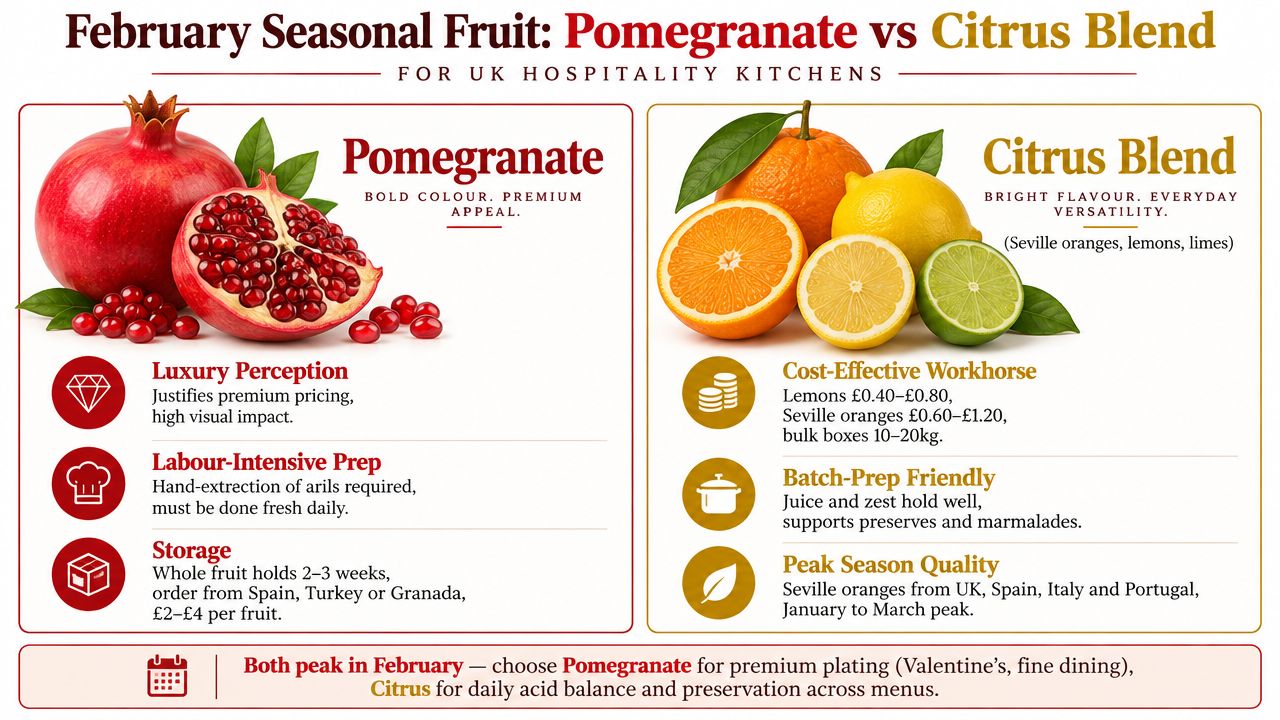
1. Pomegranates and premium winter plating
Pomegranates bring colour without requiring a large portion. Their jewel-like arils work on a Valentine's dessert, a Middle Eastern-inspired lamb dish or a winter salad where a tart, sweet contrast lifts richer ingredients.
They're particularly useful for premium plating because a modest garnish can make a familiar dish feel more considered. Boutique hotels in Berkshire and Windsor can use them across tasting menus, afternoon tea and cocktails, while London venues such as Claridge's have featured pomegranate in Valentine's menu settings.
Practical rule: Treat every aril as a costed garnish, not as disposable decoration.
Order three to five days ahead when size consistency matters. Larger, evenly coloured fruit makes prep and plating easier, especially when the same dish is leaving the kitchen repeatedly during a busy service. Extract arils during daily mise en place rather than preparing them overnight, then keep the portion standard clear for every chef on the section.
Control the prep and the yield
Pomegranate molasses is a useful alternative when a sauce needs reliable acidity and depth but the kitchen doesn't have spare hands for fresh extraction. Use fresh arils where guests can see them, and molasses in dressings, reductions and marinades where it provides the flavour without adding delicate prep.
Excess arils can be frozen for later desserts and cocktails, provided the team understands that their texture may change. Don't hide the premium ingredient under a heavy garnish. A short visual briefing helps relief staff place the arils consistently and avoid turning a profitable plate into an uncontrolled handful.
For chefs developing technique-led winter dishes, modern cooking techniques for professional kitchens can support a broader approach to precision, consistency and presentation.
2. Citrus blend for balance and preservation
Lemons, limes and Seville oranges give winter cooking the acidity it often needs. They sharpen fish, game, sauces, curds, marmalade, cocktails and desserts, while zest adds aroma without increasing the liquid content of a dish.
Seville oranges are especially valuable for marmalade and citrus-led desserts, but their availability is limited. A hotel in Windsor might use them in breakfast preserves and afternoon tea, while a Bristol or Bath gastropub could pair lemon or orange with fish, duck or game. River Cottage in Devon is a familiar example of the kind of regional, ingredient-led cooking where Seville orange has a natural place.
Make acid a controlled kitchen input
Order Seville oranges by the middle of February if they're central to the menu. Their availability drops after 28 February, so leaving the purchase until the end of the month creates an avoidable sourcing risk.
Batch-prep juice, label the yield and date, then make sure the section chef knows which recipes require fresh juice expressed to order. Pre-bottled juice may save labour, but it won't provide the same aroma or control for emulsions, dressings and finishing. The right choice depends on the dish and the service pressure, not on a blanket rule.
- Preserved lemons: Start a February batch for future dressings, sauces and North African-inspired dishes.
- Daily yield labels: Record the quantity produced so the next chef can plan without guessing.
- Recipe ratios: Write the required juice-to-acid balance into the recipe, particularly for sauces and cocktails.
- Whole-fruit use: Reserve zest for pastry, oleo-saccharum or finishing rather than treating it as waste.
Good seasonal menu planning for hospitality teams links ingredient availability to labour, storage and service capability. That matters when a chef shortage means someone unfamiliar with the menu is covering a section.
3. Kiwis for colour and dependable volume
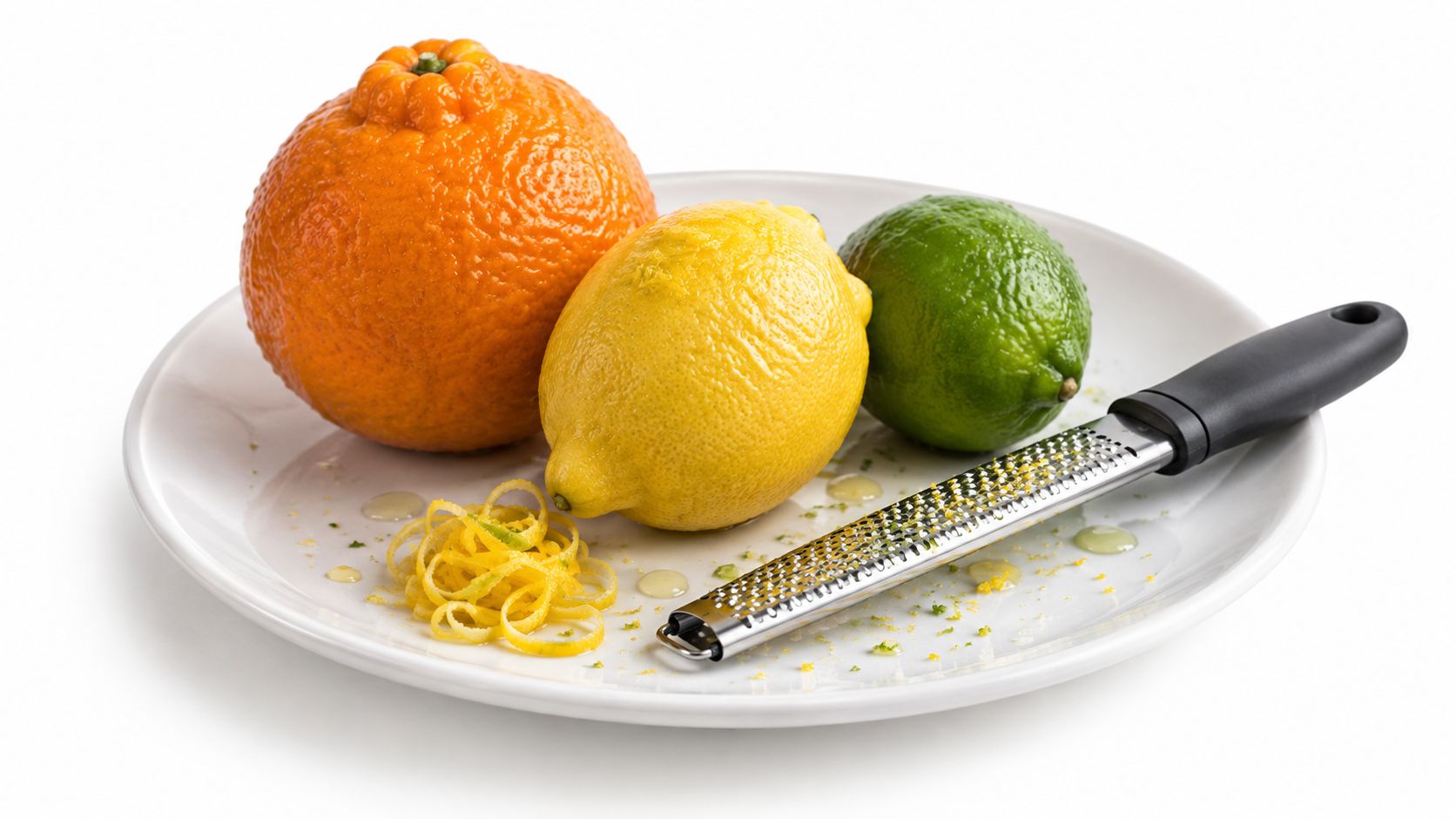
Kiwis give breakfast buffets, desserts and fruit plates a strong visual contrast with relatively simple preparation. Green kiwi provides a sharper flavour and familiar appearance, while gold kiwi offers a softer, sweeter profile for premium breakfast service or a refined dessert garnish.
High-volume restaurants can use them in fruit salads, yoghurt pots and plated breakfasts. A boutique hotel may reserve gold kiwi for a more premium morning offering, while a gastropub can use the natural enzyme in green kiwi as part of a marinade for game. The important point is control. The same enzyme that can help tenderise meat can damage texture if a marinade is left too long.
Buy for ripeness, not just quantity
Weekly ordering can work well where breakfast and dessert demand is predictable. Store fruit at room temperature until it reaches the required stage, monitor it daily and refrigerate ripe fruit so the kitchen doesn't lose an entire delivery to a narrow service window.
Morning mise en place is usually the safest time to halve and portion kiwis. Prepared fruit can be held in sealed containers for four to six hours, but the team should still check colour, moisture and texture before service. A relief chef who knows the house presentation standard will halve them lengthways for a consistent breakfast display rather than cutting random shapes.
Overripe kiwis don't have to be written off. Purée them into a marinade, blend them into a smoothie or use them in a staff dessert. Keep a separate labelled container for ripe fruit so it doesn't get mixed with service-ready pieces.
“A low-cost garnish only improves margin if the team controls its ripeness and portion.”
Avoid using kiwi just because it looks colourful. Give it a job on the plate, such as cutting through cream, adding acidity to granola or bringing freshness to a rich chocolate dessert. That makes the ingredient easier to brief and easier to remove if supply quality falls.
4. Passion fruit for high-impact accents
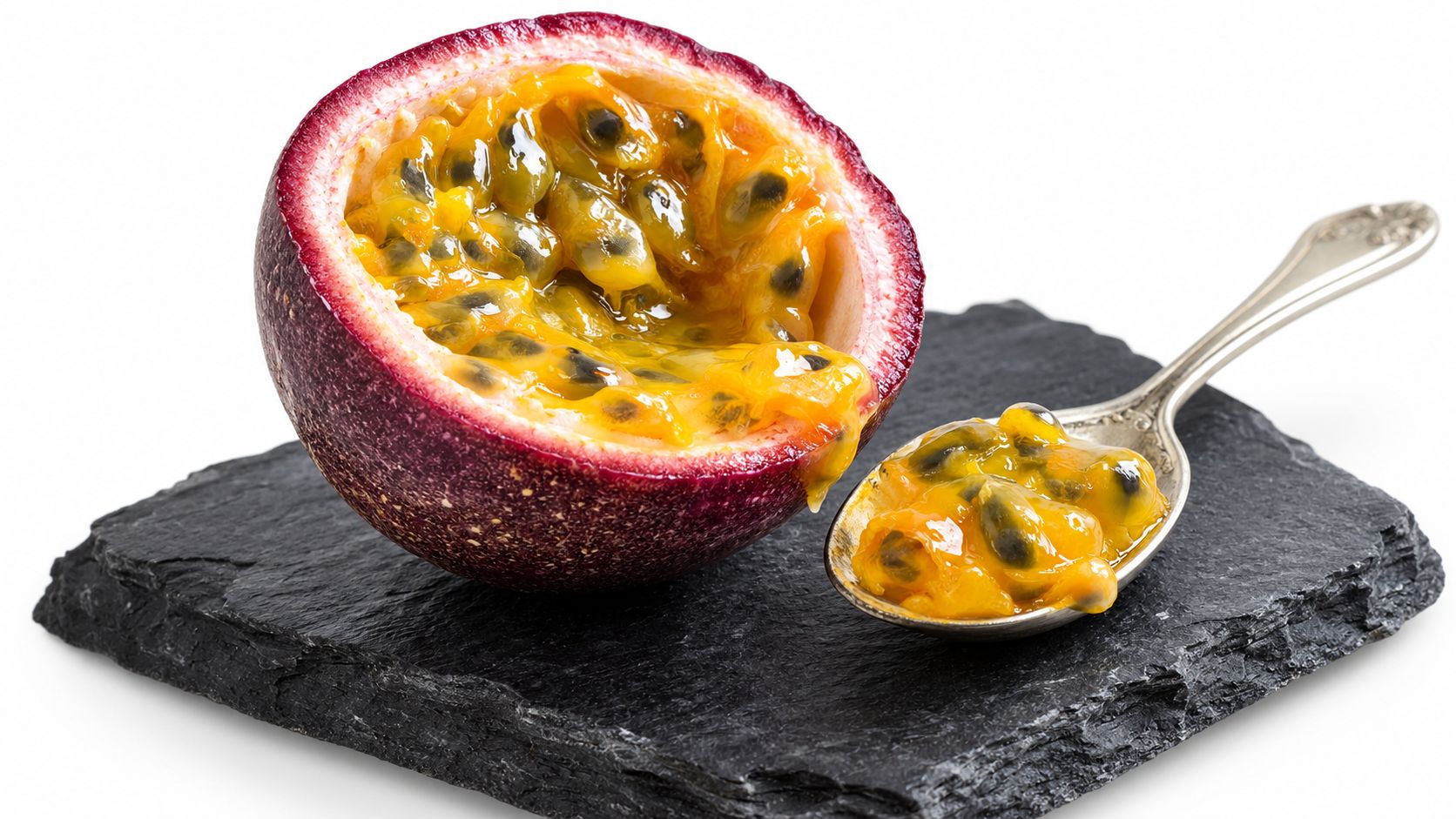
Passion fruit is a small-quantity ingredient with a strong visual and flavour effect. The tart pulp can cut through cheesecake, panna cotta, chocolate and meringue, while the seeds provide an immediately recognisable finish for cocktails and afternoon tea.
Purple and yellow varieties can both work, but the kitchen needs a clear standard for ripeness and coulis consistency. The Ivy Collection is known for using passion fruit coulis across dessert dishes, and Claridge's has featured it in tasting-menu contexts. Boutique hotels can use whole halves on premium afternoon tea, where the visual impact helps justify a more refined presentation.
Separate garnish fruit from sauce fruit
Order five to seven days ahead and ask for medium-ripe fruit. That gives the pastry team more control than receiving fruit that is already collapsing or too firm to yield properly. Strain part of the pulp into coulis, then freeze it in labelled portions for consistency across services.
Keep the best-looking halves for garnish. Use strained purée for sauces, gel, dressings and cocktail preparation. This approach protects the visual element while reducing the temptation to use whole fruit where the seeds and texture aren't appropriate.
- Coulis specification: Record the target thickness, sweetness and acidity in the pastry brief.
- Frozen portions: Label each portion by weight and date so a temporary pastry chef can work without recalculating.
- Garnish reserve: Store whole halves separately from sauce stock.
- Menu wording: Present the fruit as a deliberate, limited seasonal accent rather than scattering it across every dish.
A February dessert menu in Bristol, Cardiff or Berkshire can use passion fruit to make one signature dish distinctive without buying enough for every course. The trade-off is prep time. If the venue can't protect a pastry prep window, frozen coulis and a smaller garnish programme may work better than promising elaborate decoration at every service.
5. Forced rhubarb and early spring colour
Forced rhubarb gives February menus a visual signal that spring is approaching. Its tender pink or red stems suit compote, crumble, tart, fool and afternoon tea, but the ingredient rewards gentle handling rather than aggressive cooking.
The provenance story is strongest when a kitchen can source directly from Yorkshire growers. Venues such as River Cottage have long provided a natural reference point for British seasonal cooking, while London restaurants including The Wolseley have used forced rhubarb in compote-style desserts. Gastro-pubs can keep the format familiar with rhubarb crumble, custard and cream.
Protect texture and provenance
Order early in February if the menu depends on forced rhubarb. Supply can tighten towards the end of its season, and the quality difference between tender stems and tired stock shows quickly in a simple dessert.
Cook briefly, test the texture often and stop before the stems collapse completely. A relief chef shouldn't have to infer whether the house prefers rhubarb pieces to remain distinct or become a smooth compote. Put that decision in the recipe and show the finished texture during the briefing.
Kitchen standard: Balance rhubarb's acidity with custard or cream. Don't bury it under excessive sugar.
Batch-prepared compote can reduce pressure during a weekend service, and suitable surplus can be frozen for later use. That doesn't mean every rhubarb dish should be prepared in advance. Crumble toppings, pastry and custard each have different holding requirements, so separating the components usually protects quality better than building the whole dessert early.
For a hotel in Dorset or a pub in Devon, forced rhubarb offers a useful middle ground. It feels seasonal and distinctive, yet the menu can remain familiar enough for a mixed-experience kitchen team to execute reliably.
6. Pears for elegant, low-risk winter dishes
Pears are among the most practical fruits for a UK February menu. The British Dietetic Association's seasonal guide lists apples and pears as the fruit in season in February, making pears a credible domestic winter choice alongside stored fruit.
Conference, Comice and Williams cover different kitchen needs. Conference pears are dependable for cooking and cheese boards, Comice suits a more luxurious raw presentation, and Williams works well in poaching, tarts and purées. Their versatility makes them valuable when a venue needs one ingredient to support several menu sections.
Set one ripeness standard
Order weekly and check ripeness every day. Keep fruit at room temperature while it develops, then refrigerate it once ready. That simple system prevents a delivery from moving from hard to unusable without anyone taking ownership.
Peel and core close to service, then brush the cut surfaces with lemon to limit browning. For a cheese course, a firm, clean slice may be preferable. For a poached dessert, the kitchen may want a softer centre while still keeping the outside intact. Write the preference down and show it to relief chefs during the pre-service briefing.
Pear works particularly well with blue cheese, walnuts, chocolate, red wine and frangipane. Poached pear with red wine remains a recognisable winter dessert, while pear tart and frangipane fit naturally into afternoon tea. These formats are commercially useful because the guest understands the dish and the team doesn't need to explain an unfamiliar preparation.
The UK National Farmers' Union seasonal chart can help operators think about winter availability, but the practical purchasing decision still rests with the supplier's current quality and storage stock. Use pears as a reliable base item, then reserve more fragile fruit for dishes where it genuinely improves the guest experience.
7. Relief chefs and staffing support for February service
Fruit prep exposes kitchen instability quickly. A late sickness call can leave nobody to extract pomegranate arils, check pear ripeness, prepare citrus components or finish a pastry garnish. During Valentine's service, a shortage on garde manger or pastry can affect every table, not just the section where the absence occurred.
Relief Chefs UK supplies short-term kitchen support for venues that need experienced relief chefs, pastry relief, breakfast staff or prep chefs. The practical value isn't just filling a rota line. It's giving the incoming chef enough information to maintain the portion, plating and holding standards already agreed by the head chef.
Brief the person, not just the shift
Send a concise house brief before placement. Include the key citrus ratios, the target passion fruit coulis consistency, the preferred pear softness and photographs or descriptions of finished plates. A short conversation at the start of service can prevent more waste than a long generic induction.
Schedule cover around predictable pressure points, such as Valentine's bookings, weekend dessert shifts and breakfast-heavy hotel occupancy. Ad-hoc cover may solve an emergency, but planned relief gives the chef time to learn the menu and makes the placement more useful.
- Relief chefs: Use experienced kitchen cover when a permanent chef is absent or the section needs stability.
- Temporary chefs: Add capacity for seasonal demand, events and short-term vacancies.
- Permanent recruitment: Build a longer-term pipeline when repeated sickness or vacancies are becoming normal.
- Specialist placements: Request yacht chefs or villa chefs when private-household and maritime operations require different service expectations.
For pubs and hotels across Devon, Bristol, Wales, Berkshire, Windsor, Reading, Slough and Dorset, flexible hospitality staffing solutions can sit alongside permanent chef recruitment rather than replacing it. That distinction matters when agency reliability, chef shortages and short-notice sickness are already affecting kitchen stability.
7-Item Comparison: February Seasonal Fruits & Support
| Item | Implementation Complexity 🔄 | Resource Requirements ⚡ | Results / Expected Outcomes 📊 | Ideal Use Cases | Key Advantages ⭐ | Quick Tip 💡 |
|---|---|---|---|---|---|---|
| Pomegranates: Jewelled Winter Fruit for Premium Plating | High, labour‑intensive aril extraction; fine‑plating skill required | Moderate cost (£2–£4/fruit); skilled staff; refrigeration; order 3–5 days ahead | Very high visual impact and perceived value; premium dish uplift | Fine‑dining plating, Valentine's menus, cocktails, garnish | Luxury perception; versatile savoury/sweet uses; strong social media appeal | De‑seed fresh daily; use molasses as a time‑saving sauce alternative |
| Citrus Blend (Lemons, Limes, Seville Oranges) | Low–Medium, routine juicing/zesting; standardise yields for relief staff | Low cost (lemons £0.40–£0.80); bulk boxes (10–20kg); long cold storage | Consistent acid balance, preservation (marmalades/shrubs) and waste reduction | Sauces, preserves, fish/game dressings, cocktails, batch preserves | Cost‑effective, batch‑prep friendly, essential pantry acid | Batch‑prep & label juice; freeze cubes; express juice to order for emulsions |
| Kiwis (Gold and Green) | Low, simple peeling/slicing; easy for inexperienced staff | Very low cost (green £0.25–£0.80); high availability; weekly ordering | Colourful garnish, enzyme tenderisation for marinades; low waste | Breakfast platters, desserts, smoothies, high‑volume service | Affordable, long shelf life, easy prep, suitable for relief staff | Order weekly; ripen at room temp then refrigerate; batch prep morning service |
| Passion Fruit: Exotic Accent for Premium Desserts and Cocktails | Low–Medium, simple prep but ripeness and coulis consistency matter | Moderate cost (£1.50–£2.50); order 5–10 days ahead; small portions limit waste | High perceived premium; bright acidity enhances desserts & cocktails | Signature desserts, coulis, cocktails, garnishes in fine dining | Strong flavour/visual punch for small cost; versatile; freezer‑friendly coulis | Reserve halves for garnish; batch‑freeze strained coulis for consistency |
| Rhubarb (Forced): Early Colour and Spring Signalling | Medium, delicate handling; tight cooking windows to avoid mush | Moderate cost (£2.50–£4/bunch); short shelf life; order 3–5 days ahead | Tender stems and pale colour that signal seasonality; punchy acidity | Compote, crumbles, curds, afternoon tea, cocktails | Distinctly British provenance; spring visual cue; batch‑prep friendly (compote) | Cook briefly (8–12 mins); source direct from Yorkshire where possible |
| Pears (Conference, Comice, Williams) | Low, basic ripeness assessment and simple prep | Low–Medium cost (varies by variety); long refrigerated storage; weekly orders | Reliable, refined accompaniment for cheese and poached desserts | Cheese courses, poached pears, tarts, salads, desserts | Consistent availability; elegant presentation; low restocking pressure | Ripen at room temp then refrigerate; peel/core just before service; brush with lemon |
| Relief Chefs & Staffing Support (Relief Chefs UK) | Low–Medium, requires concise briefing and short handovers | Higher hourly cost vs permanent staff; 48‑hour placement guarantee; pre‑briefing | Maintains plating/pastry standards; reduces revenue risk from staff shortages | Valentine's fine‑dining, breakfast peaks, pastry bottlenecks, prep shifts | Experienced short‑term staff; quick integration to house standards | Provide a one‑page brief on ratios and visual standards before placement |
Turn seasonal fruit into a more reliable service
A February fruit menu should begin with a supplier conversation, not a mood board. Confirm which items are available, ask about origin and quality, and decide whether the menu needs British stored fruit, imported fruit with stronger eating quality, or a deliberate combination of both.
The National Farmers' Union seasonal guidance places apples across the winter months, including February, while UK winter guidance also recognises pears as a core seasonal fruit. That narrow domestic window doesn't mean a menu has to feel limited. It means operators need to use storage fruit intelligently and source imported or protected-culture lines with a clear reason.
Commercial demand remains substantial even in winter. In the four weeks ending 22 February 2025, UK fresh fruit sales reached $674 million, with fresh fruit volume at 352.7 million kilograms and up 1.1% year on year in the latest four weeks, according to the IFPA and NielsenIQ UK produce sales report. Across the latest 52 weeks, UK fruit volume reached 4.6 billion kilograms and grew 4.6%, with berries the number one selling fruit in the report. Those figures show why a winter menu can still support fruit-led dishes, but the kitchen must control quality, yield and labour.
Build the menu around components the team can execute under pressure.
- Confirm availability: Ask suppliers about stored apples and pears, Seville orange timing, rhubarb quality and imported fruit lead times.
- Set ripeness standards: Record whether each fruit is firm, yielding, soft or fully ripe for the intended dish.
- Cost portions: Decide how many arils, slices, cubes or grams of coulis belong on each plate.
- Batch only where it helps: Prepare compotes, preserved lemons and coulis when holding improves consistency. Don't batch delicate garnishes to make prep look efficient.
- Brief every chef: Show plating references and write down ratios, textures and storage locations.
- Protect the peak services: Roster enough cover for Valentine's bookings, weekends, breakfast peaks and special events.
The World Cancer Research Fund's UK seasonal guidance defines winter as December to February and highlights a period suited to hearty seasonal menus and simpler purchasing. That is useful operationally. Fewer local fruit choices can make the menu easier to control, provided the team doesn't compensate by adding too many fragile imported ingredients.
Relief Chefs UK can support that plan with relief chefs, temporary chefs and permanent chef recruitment, as well as yacht chefs, villa chefs and wider hospitality staffing support. For an independent pub, boutique hotel or multi-site group, the right cover can protect mise en place and service while recruitment continues. For private households and yacht operations, specialist chefs can be matched to the required style of service rather than placed as generic emergency cover.
If short-notice sickness, seasonal demand, agency reliability concerns or ongoing chef shortages are threatening service, contact Relief Chefs UK and explain the kitchen pressure, location, dates and skill level required. A clear staffing plan gives the incoming chef a better chance of maintaining the fruit standards, portion control and guest experience your February menu promises.
Relief Chefs UK provides relief chefs, temporary chefs, permanent chef recruitment, yacht chefs, villa chefs and wider hospitality staffing support for pubs, restaurants, hotels and private operations across the UK. Visit Relief Chefs UK to arrange dependable cover for February prep, Valentine's service, short-notice sickness or longer-term chef shortages.