
June isn't a narrow berry month. In the UK, it brings eight listed fruits and twelve listed vegetables, including British asparagus, strawberries, peas, broad beans, new potatoes, salad crops and soft fruit. Build menus around asparagus and spring vegetables, berries, seafood, leaves, new potatoes and lighter sauces, but keep dishes flexible because supply and kitchen capacity can change quickly.
Build a June Menu That Can Survive Service
June gives independent hospitality businesses a strong sourcing story, but it also exposes weak systems. Short shelf lives, changing availability, short-notice sickness, chef shortages and rising seasonal demand can turn a well-designed menu into a difficult service.
The opportunity is broad. The British Dietetic Association's seasonal guide lists blackcurrants, cherries, gooseberries, raspberries, redcurrants, rhubarb, strawberries and tayberries, alongside asparagus, broad beans, broccoli, cauliflower, courgettes, cucumber, lettuce, new potatoes, peas, samphire, spring onions, summer squash and watercress. June is a genuine transition period, with soft fruit, salad crops and early summer vegetables overlapping.
That breadth supports flexible menus in Devon, Bristol, Wales, Berkshire, Windsor, Reading, Slough, Dorset and other busy hospitality areas. Use a small group of core ingredients, then rotate specials around what suppliers can confirm. Cost portions before printing the menu, agree substitution rules, and plan kitchen cover before demand builds.
Relief Chefs UK, a nationwide chef recruitment agency established in 2013, can support venues with relief chefs, temporary chefs and longer-term staffing solutions when the permanent team is stretched. The following ten ingredient groups are useful because they can support provenance, supplier resilience and reliable service without forcing the kitchen into an overcomplicated menu.
1. British Asparagus and Spring Vegetables
British asparagus gives June a clear commercial deadline. UK seasonal guidance commonly places the traditional end of the British asparagus season around 21 June or 24 June, depending on the tradition and source. The Fresh View Foods seasonality calendar also identifies British strawberries from June through August, making the month a handover between spring crops and summer fruit.
For a Berkshire bistro, a Welsh country hotel or a Devon gastropub, asparagus works best when it appears in several controlled formats. Serve it with a soft egg as a starter, alongside grilled fish as a main-course garnish, and with peas, broad beans and new potatoes as a vegetarian plate. That spreads prep across the menu and helps move a confirmed delivery before quality falls.
Practical rule: Set a final service date for asparagus dishes and tell front-of-house. A seasonal retirement feels deliberate, while an unexplained 86 can look like poor planning.
Make the last weeks work harder
Confirm supply before June rather than waiting for the first busy weekend. The season is short, and one UK produce guide describes availability as only six to eight weeks in market terms, so purchasing teams need a realistic delivery plan. You can find further operational guidance in this seasonal menu planning resource.
Blanch briefly, chill properly and finish to order. The internal preparation note for this menu recommends keeping blanching to three to four minutes maximum, because overcooked asparagus quickly becomes soft and watery. Don't build an entire menu around it. Use peas, broad beans, spring onions, new potatoes and watercress as the flexible supporting cast when the final asparagus deliveries become inconsistent.
2. Soft Fruits and Berry Desserts
Strawberries, raspberries, gooseberries, blackcurrants, redcurrants, cherries and tayberries give June menus colour without demanding complicated cooking. The National Trust's guide to seasonal food highlights locally grown strawberries ripened in summer sunshine, as well as gooseberries, broad beans, courgettes, lettuce, radish, rocket, spinach, spring cabbage, spring onions and parsley.
The strongest commercial use isn't a single signature dessert that depends on one supplier. It's a controlled rotation. A Dorset hotel might run strawberry pavlova, a gooseberry fool and a raspberry tart across different services, while a Bristol café uses berries on cakes, breakfast dishes and afternoon tea. Windsor hotels can bring the same produce into scones, coulis and plated desserts without making every course look identical.
Protect fragile stock
Soft fruit rewards careful handling but punishes overbuying. Work with more than one supplier, check deliveries on arrival and remove bruised fruit daily. Wash fruit immediately before use rather than during an early prep session, then keep it chilled according to your food-safety procedures.
A practical June dessert rotation could include:
- Fresh strawberry service: Use the best-looking fruit for afternoon tea, garnish and whole-fruit presentation.
- Cooked fruit preparations: Turn softer berries into coulis, compotes or fillings before they become unusable.
- Acid-led gooseberry dishes: Pair gooseberries with cream, yoghurt, meringue or British soft cheese for contrast.
- Flexible pastry work: Keep the base consistent and change the fruit as supply changes.
The mistake is treating every berry as interchangeable. Strawberries sell provenance directly, while gooseberries and currants bring sharper acidity and need a different balance of sugar and dairy. Brief the pastry team and front-of-house on the intended substitution before service, not after a guest asks why the advertised dessert has changed.
3. Fresh Fish and Seasonal Seafood
June seafood menus should be built around availability rather than a rigid species list. Coastal venues in Dorset, Devon, Cornwall and Wales can use morning landings to create a strong daily special, while inland restaurants in Bristol, Reading or Berkshire can still offer provenance if the supplier gives clear landing and catch information.
A Dorset or Devon hotel might run a daily fish special with the preparation changing according to delivery. A Weymouth or Poole restaurant can build around crab and bass when supply is reliable. Welsh coastal pubs can use a fish night format, while yacht and villa chefs need a more deliberate ordering process because premium clients expect the catch to arrive in excellent condition.
A catch-driven menu is more resilient than promising one fish every day. Keep the cooking method and garnish stable, then let the landing determine the species.
Use a fixed-and-flexible structure. Keep core dishes familiar, but allow daily specials to change with the supplier's confirmation. A sea bass fillet, mackerel, crab or lobster may need different yields, cooking times and portion costs, so the chef and purchaser must agree the substitution before the menu board goes up.
For procurement teams, sustainable sourcing practices for UK hospitality offers a useful framework for building seasonal menus around what local suppliers can deliver. Ask day-boat suppliers about landing times, minimum orders and replacement options. Yacht catering should be arranged well ahead of departure, because last-minute purchasing limits both quality and choice.
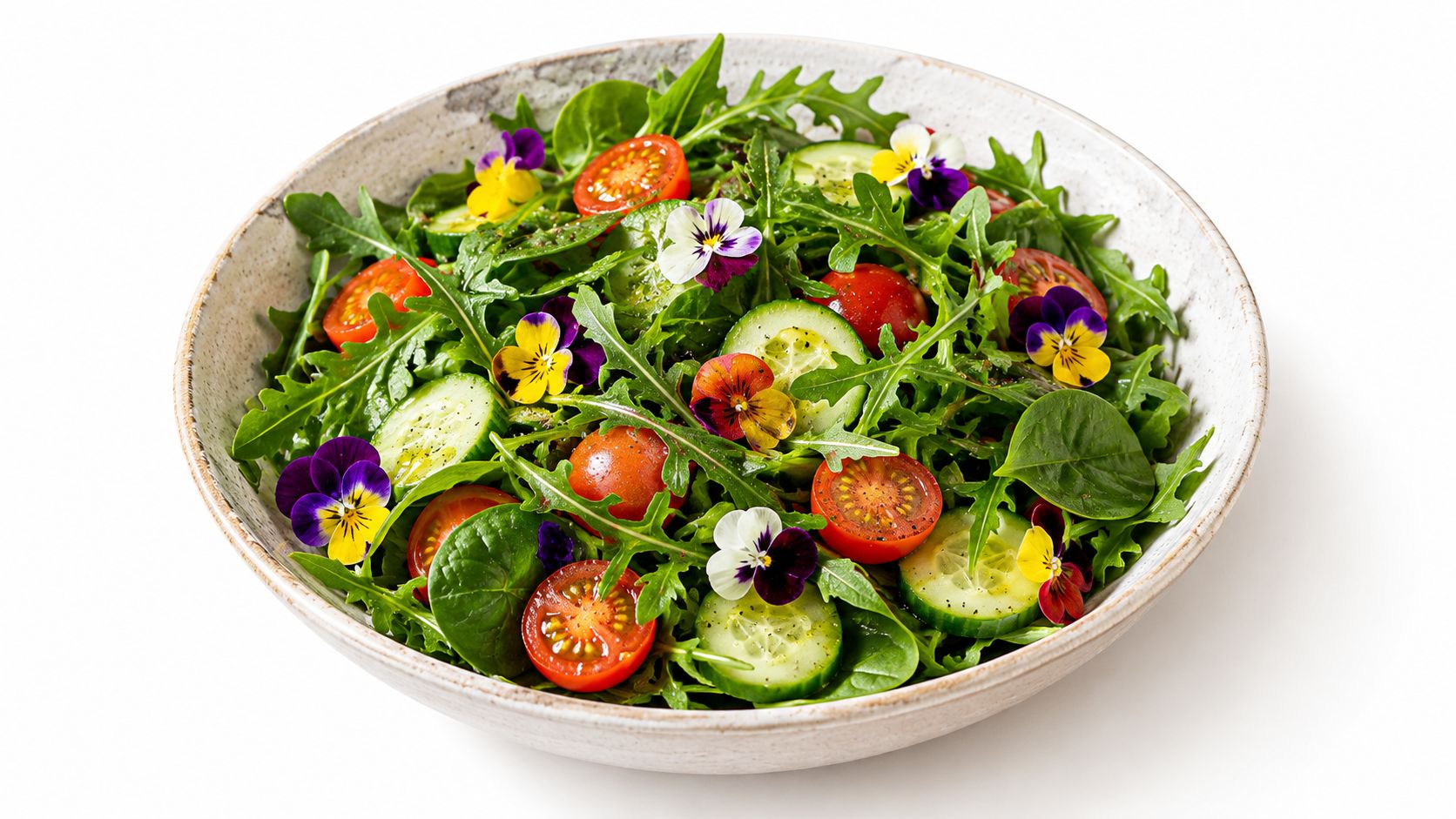
4. Salads, Leafy Greens and Raw Vegetables
June is when salad can move from a side dish to a profitable main-course category. The Soil Association's seasonal food guidance lists broad beans, chard, courgettes, cucumbers, new potatoes, spinach, strawberries and watercress among June produce, while also placing cherries in season from mid-June to September.
For cafés in Reading, casual restaurants in Bristol and hotels across Berkshire, that combination supports lighter lunches without abandoning substance. Build a salad around a clear anchor, such as new potatoes and smoked fish, broad beans and goat's cheese, or leaves with grilled chicken. A bowl of leaves with an unconsidered dressing won't command the same attention as a composed dish with texture, acidity and a proper protein or cheese option.
Treat the prep list as a service system
Wash and spin leaves during the morning preparation period, store them correctly and keep the process consistent between chefs. Rotate combinations regularly so guests don't see the same bowl throughout the month. Local leaf growers may provide freshness and distinctive varieties, but confirm delivery reliability before removing a dependable wholesaler.
Make dressings in-house where the kitchen can execute them consistently. A sharp herb vinaigrette, buttermilk dressing or mustard-based emulsion can support several dishes, but document the recipe and portion size. Otherwise, the same dressing becomes a cost leak and a source of inconsistent flavour.
A Welsh country pub can pair local leaves and cheese in a Ploughman's-style lunch. A Dorset seaside restaurant can serve a substantial salad with fish or shellfish. The commercial point is positioning. Put salads on the main menu and specials board, not below a line of heavier dishes as an afterthought.
5. Courgettes, Aubergines and Mediterranean Vegetables
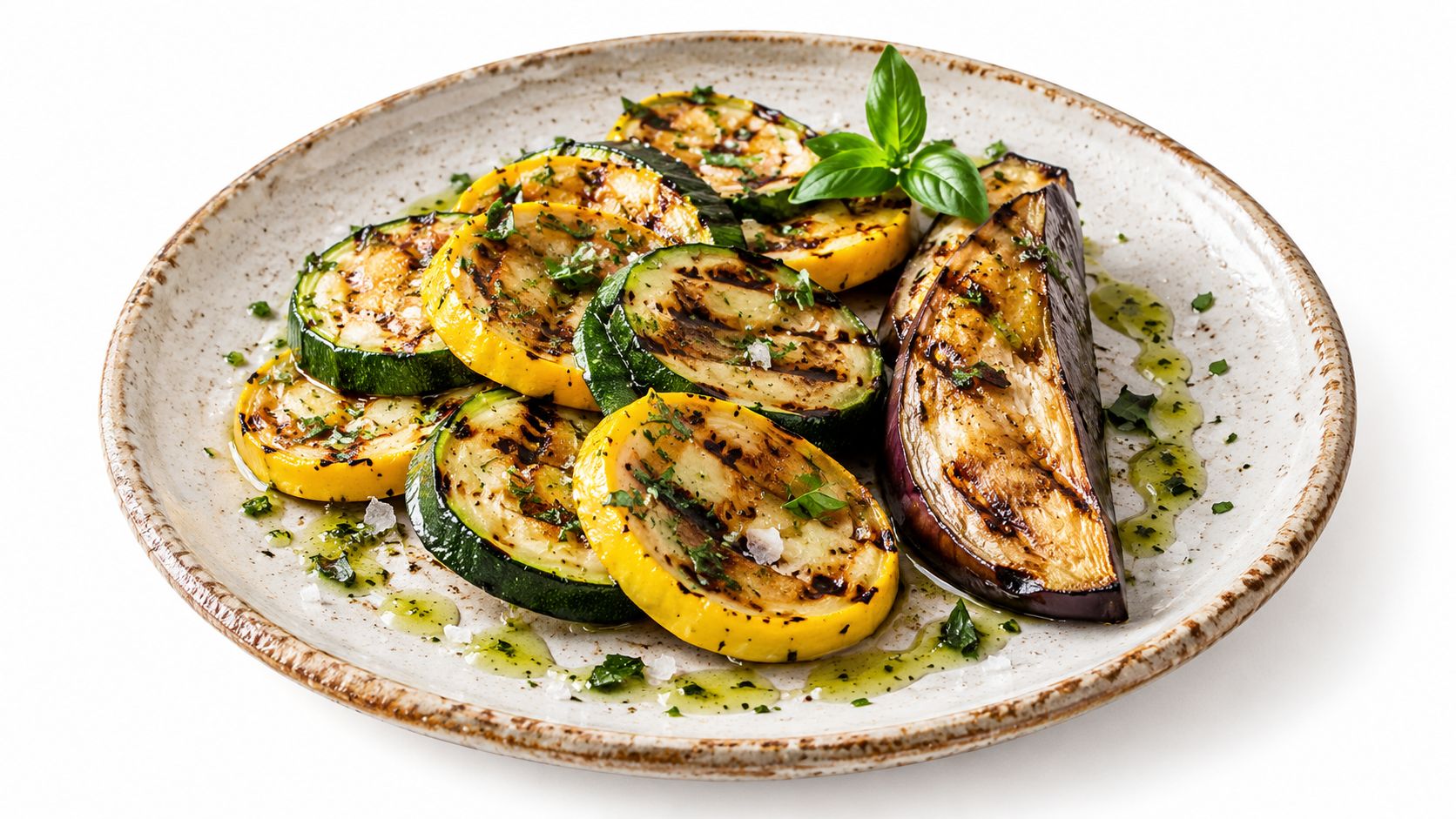
Courgettes and aubergines help kitchens create satisfying vegetarian and flexitarian dishes while keeping the menu connected to June's lighter style. Courgettes appear across UK seasonal lists, and the Pennygolightly guide to British seasonal food in June makes the useful distinction that seasonal menus can combine British-grown produce with imports such as Dutch aubergines, melons, peaches, nectarines and watermelon.
That nuance matters to operators. “Seasonal” doesn't always mean every ingredient is local. A venue should describe provenance accurately, then use British courgettes, salad crops and herbs where supply supports it. Imported produce may provide consistency when domestic availability is uneven, but it needs to fit the menu's sourcing story rather than contradict it.
Make vegetables feel complete
Grilling, roasting and raw preparation give courgettes and aubergines distinct roles. Charred courgettes can sit with yoghurt and herbs, aubergine can carry a rich miso or walnut sauce, and shaved courgette can add freshness to a fish dish. Strong sauces, grains, dairy or pulses prevent a vegetable main from feeling like a reduced version of a meat plate.
Bristol restaurants can build vegetable-led specials with a clear centre of the plate. Pubs in Wales can grill vegetables alongside fish or lamb. Reading and Slough venues can offer one reliable lunch dish and one more involved evening plate, using overlapping prep to protect kitchen stability.
Don't slice everything hours in advance. Cut close to service where possible, label prepared stock and rotate the cooking method before the menu feels repetitive. The best vegetable dish isn't automatically the most elaborate. It's the one the team can execute accurately during a full section.
6. New Potatoes and Seasonal Root Vegetables
New potatoes give June menus dependable volume and a clear seasonal story. Their thin skins and waxy texture suit warm salads, buttered sides, fish plates and lighter hotel dishes, with less preparation than storage potatoes. They also work alongside peas, asparagus, cucumber, lettuce and watercress, helping kitchens build plates from overlapping orders.
Use the same ingredient across different service points without making every dish identical. A Berkshire or Reading gastropub can serve buttered new potatoes with a fish special. A Devon tasting menu might use them with herbs and seasonal vegetables, while Bristol cafés can offer a lunch salad. Welsh pubs can pair them with lamb or local fish. The commercial value comes from sourcing, seasoning and consistent execution.
Build a useful rotation
Set the format around the dish and the pressure of service:
- Buttered and finished: Keep this simple for sides and fish plates.
- Warm salad format: Add herbs, spring onions, leaves or a sharp dressing.
- Roasted preparation: Use with stronger mains where texture earns its place.
- Creamed or crushed style: Reserve for premium dishes where extra preparation is justified.
A clear rotation protects the menu from repetition and keeps prep adaptable when supplier availability changes. Record the origin accurately, confirm delivery condition and use the same herbs or dressings across suitable dishes to reduce waste.
Match cooking batches to the service plan. Cook in the morning where demand is predictable, control holding carefully and avoid preparing more than the operation can sell safely. Record yield, waste and successful applications, then adjust the next order using those results rather than instinct.
The seasonal menu planning service from Relief Chefs UK can support a practical menu change without overloading the brigade. New potatoes are forgiving, but busy summer services still require defined prep, portioning and holding routines.
7. Lamb, Young Venison and Game Meat Dishes
June suits a lighter treatment of premium meat. Welsh lamb, local spring lamb and young venison can sit comfortably beside peas, broad beans, herbs, new potatoes and summer vegetables. The result feels seasonal without forcing a venue to abandon the higher-value dishes that regular guests expect.
A Welsh gastropub might serve lamb with broad beans and a light herb sauce. A Berkshire hotel can work with a local farmer on a provenance-led main. Dorset and Devon country restaurants can use game in a dish that feels more summery than a heavy winter braise. Bristol fine-dining kitchens can place lamb or game into a tasting menu, while yacht and villa chefs may use premium cuts for private clients.
The operational risk is supplier inconsistency. Speak to local butchers or game suppliers early, agree cut specifications and confirm what happens if the preferred product isn't available. A chef arriving on short notice also needs a precise product brief, because different cuts require different trimming, resting and cooking routines.
Don't create a long meat section to prove your menu is seasonal. Two well-supported lamb dishes and one game option can give guests choice without creating unnecessary prep.
Use contrasting formats. A grilled lamb dish, a slow-cooked shoulder special and a carefully portioned venison main share some garnishes but not the same cooking process. Document temperatures, resting expectations and plating so a relief chef can step into the section without destabilising service.
The best provenance language is specific. Name the region or supplier only when the information is verified, and train front-of-house to explain the preparation rather than reciting vague claims about “local quality”.
8. Herbs, Edible Flowers and Garnish Elements
Fresh herbs carry June menus from competent to memorable, but only when the kitchen treats them as ingredients rather than decoration. Basil, coriander, dill and tarragon can shape sauces, oils, salads and marinades. Pansies, nasturtiums, borage and cornflowers can add visual value to hotel, restaurant and private dining plates when the supplier confirms they are suitable for culinary use.
A Bristol fine-dining restaurant might use several herbs across a garden-led menu. A Berkshire boutique hotel can carry edible flowers from desserts into cocktails. A pub in Wales can make a herb-forward sauce part of its identity, while restaurants in Reading and Slough can use fresh herbs to lift simple summer dishes without adding a large number of new components.
Give garnish its own labour plan
Herb prep becomes a real staffing issue during a busy month. Assign responsibility, set a consistent washing and drying process, and keep storage instructions visible. Some herbs perform well in water, while others are better protected in a damp cloth and chilled environment. Edible flowers need particularly careful handling and should be ordered against confirmed covers, not optimistic forecasts.
Use herbs at different intensities. Basil and coriander can carry a dish, while tarragon and dill may need restraint. Flowers should support the plate rather than hide poor composition.
A dedicated prep station helps, but it can't replace skilled labour. If sickness removes the commis or chef responsible for garnish, the section can quickly become a bottleneck. Relief cover should be arranged before a full diary makes that gap difficult to fill.
9. Goat's Cheese, British Soft Cheeses and Dairy Elements
British goat's cheese and other soft cheeses give June menus richness without returning to winter-style heaviness. They work in salads with leaves and fruit, as a starter with roasted vegetables, on a cheese board, or in a dessert course with honey and berries. Cream and butter also support the sauces and emulsions that make vegetable-led cooking feel complete.
A Bristol restaurant can pair goat's cheese with courgette and herbs. A Dorset or Berkshire hotel can offer a rotating regional cheese board as an alternative to dessert. Welsh pubs can feature Welsh cheese and dairy partners, while Devon restaurants can combine British cheese with seasonal fruit and local honey when that provenance is confirmed.
Don't leave the sales work to the kitchen. Front-of-house should know the cheese's origin, texture, serving temperature and suitable pairing. That knowledge helps staff recommend a board or add cheese to a salad without making the interaction feel scripted.
Keep the cheese offer manageable
One or two reliable suppliers are usually more useful than a long list of occasional contacts. Build a small rotation with different textures and strengths, then use those cheeses across several dishes. Soft cheese may need careful temperature management, while firmer varieties can provide more flexibility for service and storage.
A seasonal board can be presented at different levels, but the descriptions must match the portion. If the board changes because of delivery, update the menu and brief staff before opening. Guests accept seasonal variation when the team explains it confidently.
Dairy is also a useful stabiliser for new seasonal dishes. A yoghurt sauce can support grilled vegetables, butter can finish new potatoes, and cream can balance acidic fruit. Those applications create menu links without requiring every dish to share the same garnish.
10. Light Stocks, Broths and Seasonal Sauce Elements
June is the right time to replace heavy winter sauce habits with lighter vegetable stocks, fish broths and herb-led emulsions. Fresh vegetables, seafood and herbs provide plenty of flavour direction, so kitchens don't need every plate to depend on a dark meat stock.
A Bristol restaurant can build a vegetable stock around trim from courgettes, onions and herbs. A Devon or Dorset hotel can make a light fish broth for the daily catch. Welsh pubs can serve a herb-infused broth with seasonal fish, while Reading and Berkshire kitchens can use lighter sauces to connect vegetables, poultry and fish across lunch and dinner menus.
Turn trim into a controlled system
Plan the change in advance. Identify which winter stocks should be phased out, then document the new bases, yields and permitted applications. Vegetable trimmings and suitable fish trimmings can support stock production, but food safety, segregation and storage controls must remain clear.
A small sauce library is easier to execute than a different sauce for every dish. Build a few adaptable bases, such as a light vegetable broth, a fish sauce and a herb emulsion, then change the garnish or finishing element according to the main ingredient. This reduces duplication and helps a temporary chef understand the kitchen quickly.
Reducing food waste in hospitality kitchens can support the operational side of this approach. Waste reduction only works when the brigade records what it saves and what it uses. If a stock is made but rarely sells, it isn't a saving. It's another task competing for labour and storage.
Write sauce applications into the menu brief. Front-of-house needs to know whether a broth is light, creamy, acidic or herb-led, because accurate descriptions help guests choose and prevent last-minute explanations during a pressured service.
10 Seasonal Food Categories Compared for June
| Item | Implementation Complexity 🔄 | Resource Requirements ⚡ | Expected Outcomes 📊 | Ideal Use Cases ⭐ | Key Advantages 💡 |
|---|---|---|---|---|---|
| British Asparagus and Spring Vegetables | Medium; precise preparation and rapid menu adaptation required | Local suppliers, skilled prep staff, tight stock rotation | Strong seasonal appeal, premium pricing, and local provenance | UK restaurants, pubs, bistros, and hotels in early-to-mid June | Visually striking, guest-recognised, and supports local supply chains |
| Soft Fruits and Berry Desserts | High; fragile ingredients and skilled pastry execution required | Multiple suppliers, pastry expertise, cold storage, daily handling | High-margin desserts, strong visual engagement, and seasonal demand | Cafés, hotels, afternoon tea, brunch, and dessert-focused venues | Broad menu versatility, natural sweetness, and strong upselling potential |
| Fresh Fish and Seasonal Seafood | High; requires precise cookery, filleting, and food safety controls | Reliable day-boat suppliers, cold storage, experienced fish chefs | Premium menu positioning, sustainability credentials, and higher-value sales | Coastal restaurants, hotels, yacht catering, and seafood venues | Strong provenance story, premium margins, and minimal processing |
| Salads, Leafy Greens, and Raw Vegetables | Low–Medium; preparation is simple but storage and quality control are essential | Leaf suppliers, salad prep area, washing and spinning equipment | Faster service, good margins, and stronger demand for lighter meals | Cafés, bistros, gastropubs, hotels, and lunch services | Low labour intensity, broad meal-time use, and vegetarian suitability |
| Courgettes, Aubergines, and Mediterranean Vegetables | Medium; consistent grilling, roasting, and seasoning are needed | Fresh vegetable supply, skilled vegetable cooks, daily preparation | Profitable vegetable-led dishes and stronger sustainability positioning | Vegetarian, vegan, Mediterranean, and flexitarian menus | Low ingredient cost, high versatility, and strong visual presentation |
| New Potatoes and Seasonal Root Vegetables | Low; straightforward preparation with portion and batch controls | Reliable suppliers, bulk-cooking capacity, basic vegetable prep staff | Consistent seasonal sides, good value perception, and reliable margins | Pubs, hotels, restaurants, and seasonal fish or lamb menus | Dependable supply, broad appeal, and efficient preparation |
| Lamb, Young Venison, and Game Meat Dishes | High; butchery, temperature control, and precision cooking required | Specialist suppliers, experienced chefs, butchery skills, early purchasing | Premium pricing, strong provenance, and higher-value menu options | Gastropubs, country restaurants, hotels, and fine dining venues | Distinctive local identity, premium margins, and menu flexibility |
| Herbs, Edible Flowers, and Garnish Elements | Medium; delicate preparation and pairing knowledge required | Specialist growers, dedicated prep time, trained kitchen and service teams | Improved presentation, premium perception, and stronger menu differentiation | Fine dining, boutique hotels, cocktails, desserts, and plated dishes | High visual impact at relatively low cost and supports creative menus |
| Goat's Cheese, British Soft Cheeses, and Dairy Elements | Low–Medium; requires correct storage, portioning, and service knowledge | Artisan suppliers, suitable storage, trained front-of-house staff | Premium cheese courses, flexible menu applications, and higher perceived value | Restaurants, cafés, hotels, gastropubs, and cheese-board services | Easy menu integration, strong provenance, and limited cooking complexity |
| Light Stocks, Broths, and Seasonal Sauce Elements | Medium–High; requires recipe development, training, and system changes | Experienced sous chefs, fresh trimmings, storage capacity, documented processes | Faster preparation, lower costs, and better alignment with summer menus | Seasonal seafood, vegetable-led, fine dining, and gastropub kitchens | Reduces waste, supports lighter dishes, and improves flavour consistency |
Turn Seasonal Demand Into Reliable Service
A June menu doesn't need every seasonal ingredient. Select three to five core products that suit your customers, equipment, supplier base and team. British asparagus, strawberries, new potatoes, peas and a flexible fish special can give a pub or hotel a strong seasonal identity without creating an unmanageable prep list.
Confirm a primary supplier and a backup for each fragile category. Soft fruit, salad leaves, herbs, seafood and asparagus can all change quickly, so write substitution rules before the first delivery arrives. Decide whether a dish can move from asparagus to broad beans, from one berry to another, or from one fish species to a different catch without compromising the menu description.
Cost the flexible specials by portion, not by headline ingredient. Include trimming, cooking loss, garnish, sauce and labour. A dish that looks profitable on paper can become expensive when it requires a separate prep process or a specialist chef who isn't available for every service.
The Sustainability Promise seasonal guidance describes June as a peak transition period, with seasonal variety described as most abundant from June to December and June lists including strawberries, cherries, gooseberries, broad beans, peas, courgettes, runner beans, new potatoes and asparagus. That overlap gives operators room to plan, but it also means menus shouldn't assume June is one flat availability window. Asparagus can be approaching its traditional close while berries and salad crops are strengthening.
Staffing has to sit beside the menu plan. Parliamentary evidence on the UK labour market notes that hospitality is heavily affected by seasonality and fluctuating demand, making scheduling harder and creating a need for workers at short notice. A last-minute sickness absence in Devon, a busy weekend in Windsor, or a seasonal demand spike in Bristol can affect prep, section cover and service times at the same moment.
Relief Chefs UK is a nationwide chef recruitment agency established in 2013. Its support includes relief chefs, temporary chefs, permanent chef recruitment, yacht chefs, villa chefs and wider hospitality staffing support for independent pubs, restaurants, private households, yachts and boutique hotels across the UK.
For a venue in Wales, Dorset, Berkshire, Reading or Slough, the practical requirement may be immediate cover rather than a complete recruitment project. For a multi-site operator, a dependable long-term pipeline may matter more. Either way, brief the staffing partner with the menu, equipment, service style, allergen controls and expected covers so the chef supplied can contribute quickly.
Before June service begins, run one menu briefing for kitchen and front-of-house teams. Explain what is local, which items may change, how substitutions will be described and which dishes need the most skilled prep. Then review sales, waste and staffing pressure each week. Seasonal cooking becomes commercially useful when the team can repeat it accurately, not when the menu contains the longest possible ingredient list.
Relief Chefs UK provides relief chefs, temporary chefs, permanent chef recruitment, yacht chefs, villa chefs and wider hospitality staffing support for UK venues managing seasonal menus and service pressure. For short-notice sickness cover, June reinforcement or a dependable long-term recruitment pipeline, contact Relief Chefs UK and discuss the cover your kitchen needs.